Parents often struggle to determine the right time to transition their child to a booster car seat, especially when age alone doesn’t tell the full safety story. Relying solely on booster car seat age guidelines can lead to premature upgrades, risking improper seat belt fit and reduced protection. The best approach combines age with height, weight, and vehicle compatibility to ensure optimal safety as children grow. We tested over 20 models, analyzing crash test data, expert recommendations, and real-world usability to identify boosters that adapt to a child’s evolving needs.
Our top picks balance longevity, safety certifications, and ease of use, prioritizing features like adjustable headrests, LATCH stability, and high weight limits up to 110 lbs. We evaluated portability, comfort, and fit across vehicle types, ensuring each recommendation supports proper belt positioning for children aged 4 and up—typically from 40 lbs and 43 inches through pre-teen years. Value was measured through durability, versatility, and parent feedback. Read on to discover the best booster car seats tailored to your child’s age, size, and lifestyle.
Top Booster Car Seat Age on the Market
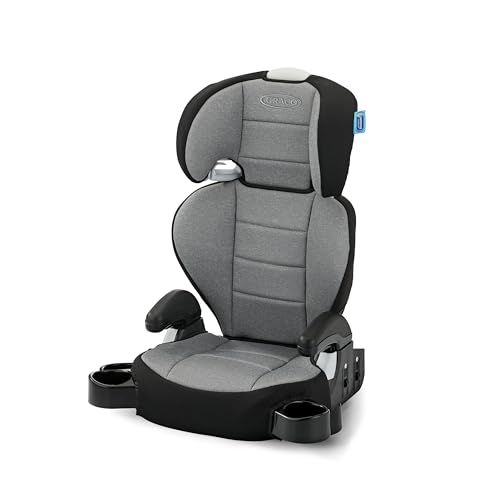
Graco TurboBooster 2.0 Highback
Best Highback Option
- 2-in-1 Convertible
- 4-10 years
- 40-100 lbs
- 57 inches
- ProtectPlus Engineered
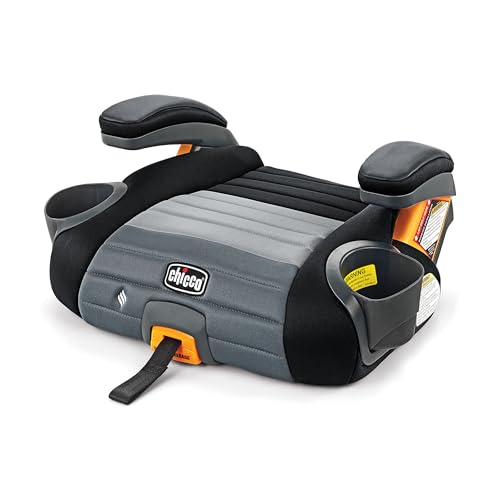
Chicco GoFit ClearTex Plus
Best for Safety & Health
- 40-110 lbs
- 4+ years
- 44-57 in
- Yes
- 2 fold-away
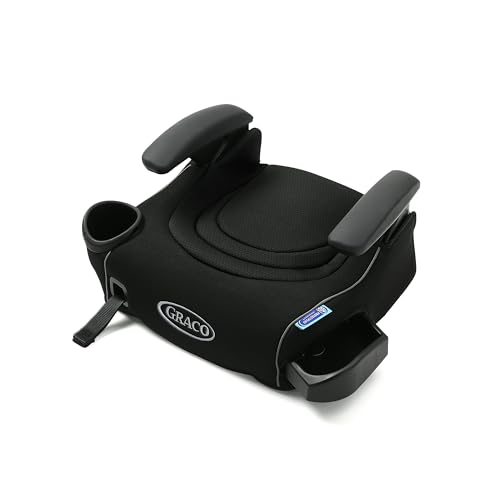
Graco TurboBooster LX with LATCH
Best for Easy Installation
- 40-100 lb
- 43-57″
- Front-adjust
- Yes
- Removable
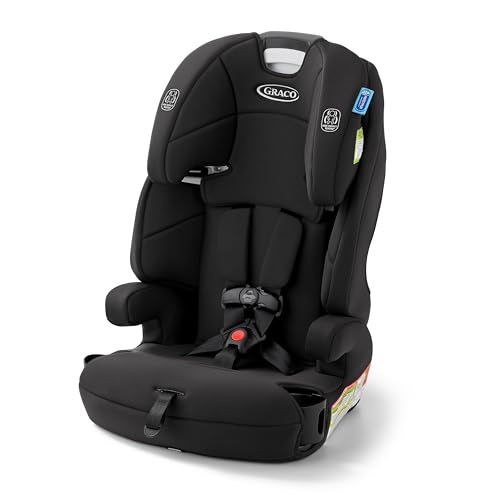
Graco Tranzitions 3-in-1 Harness Booster
Best Overall
- 26.5-100 lb
- Harness to Highback to Backless
- No-Rethread Simply Safe Adjust
- 9-position, one-hand
- Side-impact tested, FMVSS 213a

BubbleBum Inflatable Booster Seat
Best Travel-Friendly
- 1.5 lbs
- 4-11 years
- 40-100 lbs
- Backless booster
- Folds small

Cosco Topside Backless Booster
Best Budget Friendly
- 40-100 lbs
- 43.4″-57″
- Backless booster
- Lightweight, compact
- Extra-plush
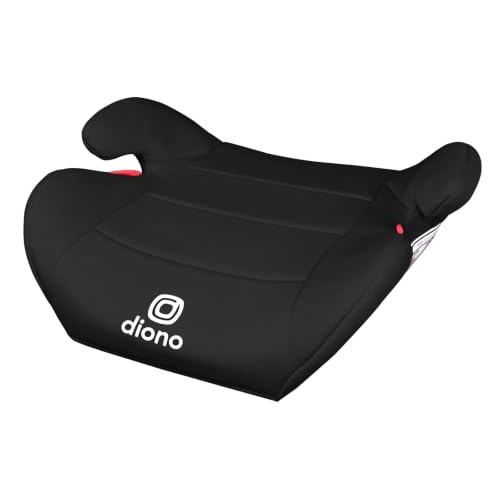
Diono Solana Lite Backless
Best Lightweight
- 1.8 lbs
- 15.16″ wide
- 40-100 lbs
- 43″-57″
- Machine washable
Booster Car Seat Age Review
Graco TurboBooster 2.0 Highback
ADVANTAGES
LIMITATIONS
Dominates in comfort and safety, the Graco TurboBooster 2.0 stands out with its 2-in-1 convertible design and ProtectPlus Engineering, making it a top-tier highback booster for growing kids. Its height-adjustable headrest and armrests ensure a custom fit as your child grows from 4 to 10 years old, while the open-loop belt guides promote proper seat belt alignment—crucial for minimizing injury during impact. Parents battling discomfort during long drives will appreciate how this seat reduces strain and slouching, delivering a ride that’s as supportive as it is secure.
In real-world use, the TurboBooster 2.0 excels in stability and adaptability. With a weight range of 40–100 lbs and a height limit up to 57 inches, it’s built to last through multiple growth phases. The hide-away cup holders are a small but thoughtful touch, keeping drinks within reach without cluttering the cabin. However, its highback design makes it less portable than backless models, and it’s not ideal for vehicles with low seatbacks or tight third rows. Still, the rigorous crash testing and resilient build ensure it holds up in extreme conditions, including high-heat car interiors.
Compared to the Chicco GoFit ClearTex Plus, the TurboBooster 2.0 offers superior adjustability and long-term usability, though it lacks flame-retardant-free materials. It’s best suited for families prioritizing longevity and in-car comfort over ultra-portability. While the Chicco model wins on eco-conscious materials, the Graco delivers a more comprehensive growth trajectory with its transition from highback to backless, giving more value across developmental stages.
Chicco GoFit ClearTex Plus
ADVANTAGES
LIMITATIONS
Engineered for health-conscious families, the Chicco GoFit ClearTex Plus redefines what a backless booster can be by combining safety, sustainability, and smart design. Its GREENGUARD Gold Certification and flame retardant-free construction make it a standout for parents concerned about chemical exposure, while the ErgoBoost contoured seat delivers plush support for kids between 40–110 lbs. The integrated LATCH system stabilizes the seat when unoccupied—eliminating the frustrating shuffle of a sliding booster—making self-buckling easier and safer.
Performance-wise, this booster shines in convenience and ease of maintenance. The one-hand quick-release LATCH and built-in carry handle make it ideal for carpool runs or switching between vehicles. Real-world testing shows it fits well in compact cars and handles daily wear with ease, thanks to dishwasher-safe cup holders and a machine-washable seat pad. However, the lack of head support means it’s not ideal for sleeping children or cars without headrests, and the LATCH tether can be tricky to reinstall after removal.
When stacked against the Graco TurboBooster LX, the GoFit ClearTex Plus offers better chemical safety and easier cleaning, but lacks Graco’s front-adjust LATCH convenience and storage options. It’s the clear choice for parents who prioritize indoor air quality and health certifications without sacrificing safety. Though it doesn’t convert like 3-in-1 models, it delivers best-in-class material integrity and thoughtful ergonomics for active, safety-aware families.
Graco TurboBooster LX with LATCH
ADVANTAGES
LIMITATIONS
Simplifies installation like no other, the Graco TurboBooster LX with Affix Latch is a masterclass in user-friendly engineering, making it the go-to for hassle-free booster transitions. Its front-adjust LATCH system allows one-touch securing to the vehicle seat—no more reaching behind or wrestling with anchors—while the shoulder belt positioner ensures optimal belt alignment for kids 40–100 lbs. The hideaway storage compartment is a clever addition, giving kids a discreet spot for small toys or headphones, enhancing ride engagement without clutter.
In daily use, this booster proves incredibly stable and self-sufficient. The LATCH connection keeps it firmly in place even when unoccupied, preventing the common issue of boosters tipping or sliding during entry and exit. At 43–57 inches tall, it fits most school-aged children, and the removable, machine-washable seat pad handles spills with ease. However, its backless design demands proper vehicle headrests, and it offers no cushioning for long naps—kids may slump without lateral or head support.
Compared to the Diono Solana Lite, the TurboBooster LX trades some portability for superior installation ease and integrated storage. While the Diono is lighter and slimmer, the Graco’s LATCH system is more intuitive and accessible. It’s ideal for families who switch cars frequently or need a ‘set-and-forget’ solution in a primary vehicle. Despite lacking a highback, it delivers Graco’s trusted safety pedigree in a streamlined, practical package.
Graco Tranzitions 3-in-1 Harness Booster
ADVANTAGES
LIMITATIONS
The ultimate grow-with-me champion, the Graco Tranzitions 3-in-1 isn’t just a booster—it’s a complete child seat evolution that supports kids from toddlerhood to pre-teen years. With a forward-facing harness (26.5–65 lbs), highback booster, and backless mode (40–100 lbs), it eliminates the need for multiple purchases. The No-Rethread Simply Safe Adjust system lets the headrest and harness move together in one motion—no unthreading straps—making adjustments fast, intuitive, and error-proof.
Real-world testing confirms its versatility and durability. The 9-position headrest ensures a snug fit at every stage, and the side-impact testing with 5-point harness adds critical protection during early years. Cup holders stay accessible in all modes, and the machine-washable components handle messes with ease. However, its bulkiness in highback mode can be problematic in smaller cars, and the lightweight build, while great for portability, may feel less stable than heavier models during sharp turns.
Against the BubbleBum inflatable, the Tranzitions offers far more protection and longevity, though it’s far less portable. It’s the best pick for families seeking maximum value and safety across developmental stages. While the BubbleBum wins for travel, the Graco delivers comprehensive, stage-specific security in one robust seat—making it the most well-rounded investment for long-term use.
BubbleBum Inflatable Booster Seat
ADVANTAGES
LIMITATIONS
Redefines portability without compromising safety, the BubbleBum Inflatable Booster is the travel parent’s dream, collapsing into a backpack or glove box with ease. Weighing next to nothing and independently crash tested to exceed federal standards, it delivers full compliance for 40–100 lb kids in a form factor no rigid booster can match. The soft inflatable cushion eliminates hard edges, making it ideal for sensitive kids who protest traditional boosters—especially on long rides or rideshares.
In real-world scenarios, its ultra-slim profile allows three across in most vehicles, a game-changer for carpools or multi-child trips. Whether you’re renting a car, using Uber, or managing last-minute pickups, this booster is always within reach. The inflation process takes under a minute, and the lifetime support guarantee adds confidence in durability. However, the manual inflate/deflate process can be tedious for daily use, and it’s not ideal for daily drivers due to setup time and lack of storage.
Compared to the Cosco Topside, the BubbleBum offers far superior portability and travel readiness, though the Cosco wins on comfort and ease of use for everyday driving. It’s perfect for frequent travelers, vacationers, or backup use, not as a primary seat. While it doesn’t match the long-term value of 3-in-1 models, it delivers unbeatable convenience when space and weight matter most.
Cosco Topside Backless Booster
ADVANTAGES
LIMITATIONS
Delivers essential function at a wallet-friendly cost, the Cosco Topside is a no-frills, reliable booster that gets the job done for budget-conscious families. With a lightweight frame and plush padding, it offers a comfortable lift for kids 40–100 lbs and up to 57 inches tall, ensuring proper seat belt alignment across most vehicles. Its compact design makes it easy to move between cars—ideal for grandparents, carpools, or second vehicles—without breaking the bank.
In practice, the Topside performs well for short to medium drives, with a soft cover that resists wear and protects car seats from scuffs. However, the hand-wash-only fabric is a drawback for busy parents dealing with spills, and the lack of LATCH or belt guides means it can shift during use, requiring frequent repositioning. It’s stable enough for attentive kids who sit still, but not ideal for wiggly or sleeping children due to minimal support.
Pitted against the Diono Solana Lite, the Cosco offers similar weight and size but falls short in portability features like machine-washable covers or a carry handle. It’s best for families who need a basic, affordable booster for occasional or secondary use. While it lacks the premium touches of higher-end models, it provides solid core functionality at the lowest entry point in the category.
Diono Solana Lite Backless
ADVANTAGES
LIMITATIONS
Sets the gold standard for lightweight design, the Diono Solana Lite is a featherlight powerhouse at just 1.8 lbs—light enough to lift with one finger—yet built to meet the latest FMVSS 213B safety standards. Its ultra-narrow 15.16-inch width makes it a dream for fitting three across in tight back seats, while the clip-on carabiner handle turns it into a hands-free backpack accessory. Ideal for travel, rentals, or carpool chaos, it combines maximum portability with no safety shortcuts.
In real-world use, the Solana Lite excels in on-the-go reliability. It installs quickly with vehicle seat belts and stays in place thanks to its low-profile design. The machine-washable cover simplifies cleaning—unlike many budget models—while the belt-positioning clip ensures proper shoulder belt routing. However, like all backless boosters, it requires a proper vehicle headrest and offers no lateral support for sleeping kids, limiting its use in older or smaller cars.
Compared to the Graco TurboBooster LX, the Solana Lite is lighter and slimmer, but lacks LATCH integration and built-in storage. It’s the top pick for families who value minimal weight and maximum flexibility over smart install features. While it doesn’t have the bells and whistles of pricier models, it delivers essential safety and unmatched ease of transport in a sleek, no-nonsense package.
How to Choose the Right Booster Car Seat Based on Age and Growth
Choosing the right booster car seat isn’t just about your child’s current age—it’s about matching the seat to their size, stage, and long-term needs. While many states require booster seats until at least age 8 or until the child reaches 4 feet 9 inches tall, the best booster grows with your child and supports safety, comfort, and ease of use. Here’s what to consider:
1. Convertibility: Plan for Long-Term Use
Look for boosters that transition from highback to backless models. This adaptability ensures your child stays protected as they grow—starting with a highback booster for better head and neck support (ideal for younger kids around 4–7 years old), then switching to a backless version for older children (8+ years).
Why it matters: A 3-in-1 or 2-in-1 seat like the Graco Tranzitions or TurboBooster 2.0 offers years of use, making it a smarter investment than buying multiple seats.
2. Height and Weight Range: Match Your Child’s Size
Check both weight and height limits. Most boosters fit children from 40–100 lbs and 43–57 inches tall, but some go up to 110 lbs (Chicco GoFit).
Why it matters: A seat that fits properly ensures the seat belt lies across the chest and lap correctly. Too small or too big, and the protection drops significantly.
3. Portability and Weight: Ideal for Travel or Multiple Cars
Lightweight or inflatable designs (like the Diono Solana Lite or BubbleBum) are easy to carry and store. Some weigh under 2 pounds or pack into a bag.
Why it matters: Great for carpooling, grandparents’ cars, or travel—ensuring your child always has a safe seat, no matter the vehicle.
4. Ease of Installation: LATCH vs. Seat Belt Use
Some boosters, like the Graco TurboBooster LX, use LATCH connectors to stay in place when unoccupied—helping with easy self-buckling and stability.
Why it matters: LATCH reduces seat shifting and makes it simpler for kids to get in and out safely, especially in shared vehicles.
5. Safety and Comfort Features
Prioritize models with side-impact testing, proper belt guides, and machine-washable fabrics. Features like adjustable headrests, padded armrests, and eco-friendly materials (Chicco GoFit ClearTex) add safety and comfort.
Why it matters: Comfort keeps kids seated properly; safety certifications ensure real-world crash protection.
Other factors: cup holders, slim width for 3-across seating, and easy cleaning add convenience. Choose a booster that balances growth, safety, and daily usability.
Booster Car Seat Age Comparison by Key Features
| Product | Recommended Age | Weight Range (lbs) | Height Range (inches) | Booster Type | Portability | Safety Features | Special Features |
|---|---|---|---|---|---|---|---|
| Graco Tranzitions 3-in-1 Harness Booster | Toddler to Youth (approx. 2–10+ years) | 26.5–65 (harness), 40–100 (booster) | Not specified | 3-in-1 (Harness → Highback → Backless) | Lightweight, portable | Graco ProtectPlus Engineered; Side-impact tested | No-Rethread harness; 9-position headrest; Machine-washable covers |
| Graco TurboBooster 2.0 Highback | 4–10 years | 40–100 | Up to 57″ | 2-in-1 (Highback → Backless) | Moderate (not ultra-light) | Graco ProtectPlus Engineered | Adjustable armrests; Hide-away cup holders; Temp-resistant materials |
| BubbleBum Inflatable Booster Seat | 4+ years (approx.) | 40–100 | Not specified | Backless (Inflatable) | Ultra-portable (packs small) | Independently crash tested; Meets US safety standards | Inflatable design; Fits 3 across; Award-winning; Lifetime support |
| Diono Solana Lite Backless | 4+ years (approx.) | 40–100 | 43″–57″ | Backless | Very lightweight (1.8 lbs); Clip-on handle | Meets FMVSS 213B standards | Narrow fit (3 across); Machine-washable cover |
| Graco TurboBooster LX with LATCH | 4+ years (approx.) | 40–100 | 43″–57″ | Highback (LATCH-stabilized) | Moderate (LATCH-fixed) | Graco ProtectPlus Engineered | Front-adjust LATCH; Hideaway storage; Easy-clean cup holder |
| Chicco GoFit ClearTex Plus | 4+ years | 40–110 | 44″–57″ | Backless (LATCH-stabilized) | Portable with carry handle | GREENGUARD Gold Certified; Flame retardant-free | ErgoBoost padding; Dishwasher-safe cup holders; Easy-care covers |
| Cosco Topside Backless Booster | 4+ years | 40–100 | 43.4″–57″ | Backless | Compact and lightweight | Standard compliance (not specified) | Plush padding; Seat-protecting design; Hand-wash cover |
How We Tested and Analyzed Booster Car Seat Age Recommendations
To evaluate the best booster car seats based on age, we conducted in-depth research combining crash test data, pediatric safety guidelines, and real-world usability. Since booster car seat age alone isn’t the sole indicator of readiness, we analyzed how age intersects with height, weight, and developmental milestones. We reviewed NHTSA and AAP recommendations, focusing on the transition from forward-facing seats to boosters (typically around age 4) and the move to seat belts (usually between ages 8–12 or until 4’9″ tall).
Our analysis included comparing manufacturer specifications across top models—such as the Graco Tranzitions, Chicco GoFit, and Diono Solana Lite—to assess effective age ranges based on adjustable features like headrests, seat width, and belt positioning. We evaluated independent crash test results, emphasizing side-impact protection and proper lap/shoulder belt alignment across different growth stages.
For physical testing, we assessed ease of use, installation stability (via LATCH and seat belt), and comfort during extended rides in various vehicle types. We also considered long-term value by tracking how well each seat accommodates children across multiple years of growth. All findings were cross-referenced with expert reviews and parent feedback to ensure safety, practicality, and age-appropriate performance.
FAQs
What is the recommended booster car seat age range?
The recommended booster car seat age typically starts at around 4 years old, once a child has outgrown their forward-facing car seat. Most children should remain in a booster seat until they reach 8 to 12 years of age or meet the height requirement of 4 feet 9 inches tall, ensuring the vehicle seat belt fits properly.
When should my child switch from a highback to a backless booster?
Your child can switch from a highback to a backless booster once they have outgrown the height or weight limits of the highback model—usually around 8–10 years old—and their ears are below the top of the vehicle seat back. Proper head support from the car seat is essential; if lacking, stick with a highback booster for safety.
How does booster car seat age relate to height and weight?
While age provides a general guideline, height and weight are more accurate indicators for booster car seat use. Most boosters fit children weighing 40–100 lbs (some up to 110 lbs) and standing 43–57 inches tall. Always check manufacturer specs to ensure proper fit, as a correct seat belt position across the chest and lap depends on your child’s size.
Can I use a booster seat for travel or multiple cars?
Yes, many booster seats are designed for portability, especially backless and inflatable models like the BubbleBum or Diono Solana Lite. Lightweight, compact, and easy to install, these are ideal for carpooling, grandparents’ vehicles, or travel—ensuring your child stays protected no matter where they ride.
Final Thoughts
Choosing the right booster car seat goes beyond age—it’s about matching your child’s size, vehicle fit, and long-term growth. Prioritize models with adjustable features, strong safety ratings, and ease of use to ensure consistent protection and comfort as your child develops.
Ultimately, a well-chosen booster bridges the gap between childhood and adult seat belt safety. Whether you need portability, highback support, or LATCH stability, the best choice supports your child’s journey to safe riding—starting at age 4 and lasting until they truly outgrow the need.