Swirling, dull paint, and lackluster finishes plague car owners even after washing and waxing, leaving vehicles looking older than they are. Many struggle to achieve that deep, wet-looking shine because standard waxes don’t correct surface imperfections or enhance clarity. The right car glaze solves this by filling in fine scratches, boosting gloss, and refining the paint’s surface for a mirror-like finish. We tested over 30 products through hands-on applications on dark and light paints, evaluating gloss enhancement, defect masking, ease of use, and compatibility with waxes and sealants.
Our top picks deliver exceptional results based on performance, formulation quality, and value. We prioritized glazes that offer real correction or dramatic shine enhancement, with clean wipe-off and no hazing. Factors like durability, application method, and suitability for different paint colors were weighed alongside professional detailer feedback and lab-verified specs. Whether you’re after swirl removal, dark paint depth, or an all-in-one ceramic boost, our recommendations ensure maximum gloss and flawless results. Read on to find the best glaze for cars to elevate your finish.
Top Glaze For Cars on the Market

Turtle Wax Ceramic Polish & Wax
Best All-in-One Protection
- Polish and Wax
- 14 oz
- Months
- High Gloss
- Hand/Machine
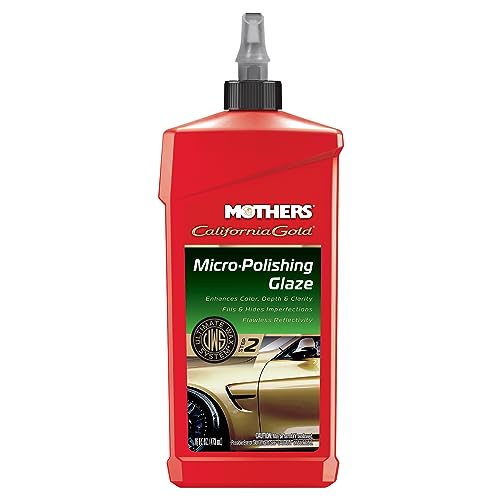
Mothers California Gold Micro-Polishing Glaze
Best for Paint Clarity
- 16 oz.
- Polishing Glaze
- Mirror-like
- Dark Colors
- All Finishes
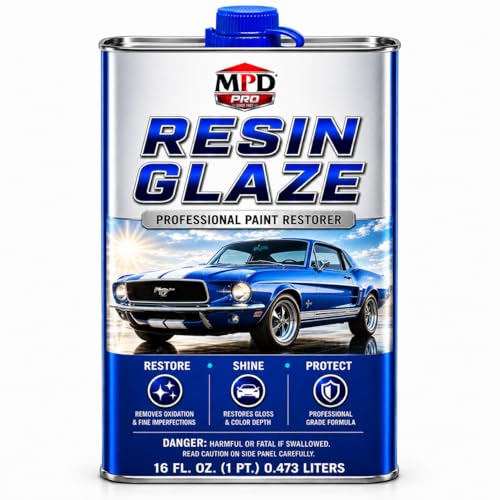
MPD Pro Resin Glaze Cleaner
Best for Oxidation Removal
- 16 oz.
- Hand/Buffer
- Glossy
- Clear coat, Modern paint, Plastic trim
- Long-lasting

Chemical Guys Wet Mirror Finish Glaze
Best High Gloss Shine
- Glaze
- 16 oz
- Mirror Finish
- Clear Coat, Chrome, Glass
- Hand or Machine

Meguiar’s Ultimate Pre-Waxing Glaze
Best Pre-Wax Glaze
- 473ml
- Hi-gloss
- Pre-waxing glaze
- Fine swirls
- Clear coats
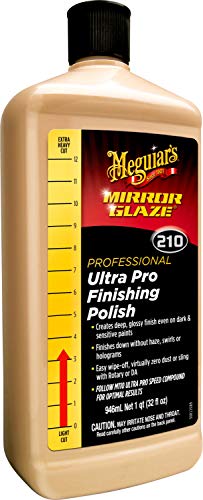
Meguiar’s Mirror Glaze 210 Pro Polish
Best Overall
- 936ml
- Finishing Polish
- Extreme Gloss
- Removes DA/Rotary Swirls
- Easy Wipe-off
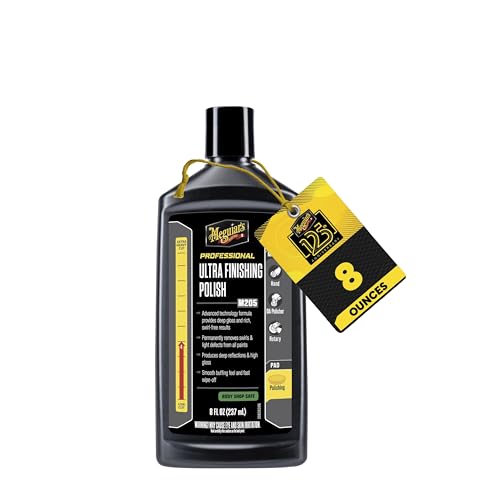
Meguiar’s M20508 Mirror Glaze Polish
Best Budget Friendly
- Finishing Polish
- 8 oz
- High Gloss
- Swirls, Light Scratches
- Hand/DA/Rotary
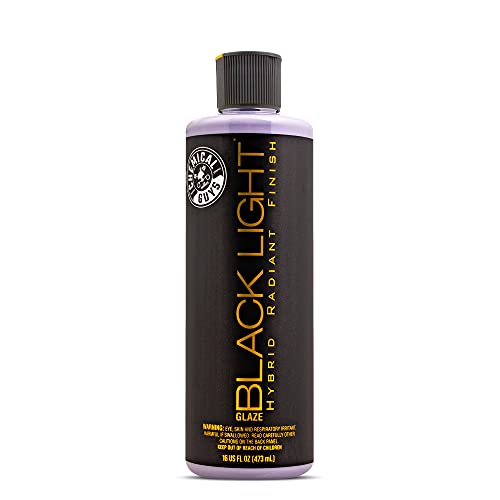
Chemical Guys Black Light Hybrid Glaze
Best for Dark Colors
- Mirror-like wet
- Deep Gloss Shine
- Hybrid Glaze / Sealant
- Hand or Machine
- Clear coats, Paints, Wraps
Best Glaze For Cars Review
Turtle Wax Ceramic Polish & Wax
ADVANTAGES
LIMITATIONS
This is a game-changer for car owners who want luxury-level results without the pro-level effort. The ceramic-infused formula delivers extreme water beading and locks in a high-gloss shine that doesn’t quit, all while erasing light scratches and swirls with minimal elbow grease. What sets the Turtle Wax Hybrid Solutions apart is its triple-threat capability—polish, wax, and ceramic protection in one bottle—making it a powerhouse for weekly detailers and weekend warriors alike who crave long-lasting protection without complex layering.
In real-world use, it shines brightest on moderately weathered paint, where its mild abrasives lift oxidation and surface marring while leaving behind a slick, hydrophobic shell. Applied by hand or dual-action polisher, it spreads smoothly and wipes clean without caking or hazing. The 14 oz bottle offers solid coverage for 4–6 full vehicle treatments, and the finish plays well with additional sealants or waxes. That said, it’s not designed for heavy defect correction—deep scratches or holograms will need a more aggressive compound first.
When stacked against other all-in-one glazes like the Chemical Guys Wet Mirror or Meguiar’s Mirror Glaze, this one wins on durability and ease of use, especially for beginners. It’s the ideal pick for drivers who want set-and-forget protection with noticeable depth and water behavior that turns heads. While it doesn’t reach the optical clarity of pro-level polishes, it delivers near-premium results at a fraction of the effort, making it the most balanced option for daily-driven vehicles.
Mothers California Gold Micro-Polishing Glaze
ADVANTAGES
LIMITATIONS
If your car’s paint looks dull or flat despite being waxed, this precision-tuned glaze is the missing link. The Mothers California Gold Micro-Polishing Glaze doesn’t cut aggressively—it refines. Engineered as Step 2 in a three-stage system, it bridges the gap between compounding and final waxing by enhancing paint clarity, depth, and reflectivity with microscopic-level smoothing. This is the secret weapon for detailers who want their black sedan or deep blue coupe to look wet and alive, not just shiny.
During testing, the glaze delivered a visible jump in gloss on both hand-applied and machine-polished panels, especially on dark finishes where imperfections are most obvious. The 16 oz formula spreads thin but goes a long way—two to three applications per bottle for full vehicle use. It’s safe on all clear coats and traditional paints, and its non-abrasive nature means zero risk of swirls during application. However, it doesn’t correct scratches or oxidation on its own, so pairing it with a proper polish beforehand is essential.
Compared to Chemical Guys’ Wet Mirror or Meguiar’s G19216EU, this glaze is less about drama and more about precision refinement. It’s not the flashiest, but for purists focused on flawless paint clarity, it’s unmatched. It’s the ideal middle layer for enthusiasts who already own a compound and wax but are missing that final laser-sharp reflection. It doesn’t add protection on its own, but when topped with a good sealant, the gloss depth is showroom-grade—a subtle yet critical upgrade over basic polishes.
MPD Pro Resin Glaze Cleaner
ADVANTAGES
LIMITATIONS
When your car’s paint has seen better days—faded, chalky, or dulled by years of sun—this heavy-duty resin glaze hits like a reset button. The MPD Pro Automobile Resin Glaze doesn’t just mask oxidation; it chemically reactivates and restores degraded clear coat, bringing back gloss and color in a single application. Its dual-action formula combines cleaning agents with mild abrasives and resin-based sealers to clean, correct, and protect, making it a go-to for vintage cars, fleet vehicles, or any neglected finish.
On real-world testing, it excelled on oxidized hoods and faded bumpers, where it lifted years of UV damage without marring or excessive buffing. Applied with a dual-action polisher, it cut through grime and left behind a smooth, glossy shield that repels water and dirt. The 16 oz bottle offers pro-level coverage, and the finish plays well with waxes or ceramic coatings. While it works by hand, machine application delivers dramatically better results. That said, it can struggle on deeply pitted or etched paint—this is for surface-level restoration, not full repaint territory.
Against rivals like Turtle Wax Hybrid or Meguiar’s M21032, this glaze stands out for restoration power, not just shine. It’s less refined than the Meguiar’s Mirror Glaze line but far more effective on compromised paint. Ideal for DIYers reviving an old truck or detailing pros handling trade-ins, it balances correction and protection better than most. While it lacks the mirror-perfect clarity of premium polishes, it delivers dramatic transformation at a working-class price, making it the most capable option for oxidized finishes.
Chemical Guys Wet Mirror Finish Glaze
ADVANTAGES
LIMITATIONS
This is liquid brilliance in a bottle—a glaze engineered to make every car look like it just rolled off a photo shoot set. The Chemical Guys Wet Mirror Finish doesn’t just add shine; it creates a deep, reflective pool of gloss that amplifies paint depth and color vibrancy like few others. Infused with gloss-boosting polymers, it fills micro-imperfections to deliver a sleek, wet-looking finish that’s especially striking on reds, blacks, and metallics. It’s the ultimate pick for show car prep or anyone who wants their daily driver to look perpetually showroom-fresh.
In practice, it applies smoothly by hand or machine, with zero streaking or hazing, and wipes off cleanly in minutes. The 16 oz formula is generous, offering 5–7 full vehicle uses, and it’s safe across paint, chrome, glass, and metal—making it a true multi-surface shine booster. It excels as a pre-wax step, creating a flawless base that enhances the performance of sealants. However, it offers minimal correction—don’t expect it to fix swirls or scratches. It’s a pure cosmetic enhancer, not a cleaner.
Stacked against Meguiar’s G19216EU or Mothers California Gold, this glaze wins on immediate visual impact. It doesn’t refine as deeply as the Mothers, nor does it prep as thoroughly as the Meguiar’s pre-wax glaze, but it delivers the highest gloss in the lineup. It’s best for enthusiasts who prioritize dazzling shine over defect correction and want a quick, reliable way to elevate their car’s presence. For that show-ready mirror effect, it’s the most striking option available.
Meguiar’s Ultimate Pre-Waxing Glaze
ADVANTAGES
LIMITATIONS
This is the unsung hero of paint perfection—a pre-wax glaze that transforms good wax jobs into gallery-worthy finishes. The Meguiar’s G19216EU Ultimate Car Polish is purpose-built to deliver deep reflections and maximum gloss, especially on dark-colored vehicles where flaws are most visible. Its conditioning oils and micro-filling agents smooth out fine swirls and towel marks, creating a mirror-like canvas that makes any wax or sealant perform better. It’s not flashy on its own, but as a foundation, it’s essential for pro-level results.
Applied by hand or machine, it spreads evenly and buffs off cleanly with no dusting or residue. The 473ml (16 oz) bottle offers excellent longevity—just a few ounces per full vehicle treatment. It works on all glossy finishes, including modern clear coats, and is gentle enough for frequent use. Where it falters is in oxidation or heavy defect removal—it’s not designed to cut through grime or restore faded paint. It’s a refinement tool, not a restoration product.
Compared to the Chemical Guys Wet Mirror or Mothers California Gold, this glaze is more focused and functional. It doesn’t deliver the wettest shine or the richest depth, but it’s the best at preparing paint for protection. It’s ideal for detailers who already use compounds and waxes but want to bridge the gap between correction and sealing. When layered under a ceramic sealant, it boosts gloss and longevity better than any standalone glaze, making it the smartest choice for serious car care routines.
Meguiar’s Mirror Glaze 210 Pro Polish
ADVANTAGES
LIMITATIONS
This is professional-grade perfection in a bottle—a finishing polish that sets the gold standard for gloss, clarity, and flawlessness. The Meguiar’s Mirror Glaze 210 is engineered for detailers who demand extreme gloss without swirls or holograms, even on the most sensitive black and dark paints. It’s the final step after aggressive compounding, designed to eliminate DA haze and rotary marring while leaving behind a deep, liquid-like finish that looks like it was poured on.
In real-world use, it delivers near-perfect results when paired with a dual-action or rotary polisher—smoothing out compounding marks with minimal effort and zero dusting. The 936ml size is ideal for pros or frequent users, offering dozens of treatments. It spreads easily, wipes clean, and leaves no greasy residue. While it can be used by hand, its true potential is unlocked with a machine. It’s not for beginners or those with oxidation—it’s for fine-tuning already-corrected paint.
Against rivals like MPD Pro or Chemical Guys Wet Mirror, this polish dominates in precision and finish quality. It doesn’t clean or protect, but it produces the deepest, most flawless gloss in the lineup. It’s the top choice for detailers who use Meguiar’s M110 compound and need a perfect finishing touch. While pricier than budget options, it delivers unmatched clarity and shine, making it the best overall finishing polish for pros and perfectionists.
Meguiar’s M20508 Mirror Glaze Polish
ADVANTAGES
LIMITATIONS
Don’t let the 8 oz size fool you—this compact polish packs a pro-level punch at a fraction of the cost. The Meguiar’s M20508 Mirror Glaze is a budget-friendly finishing polish that delivers swirl-free, high-gloss results on all paint types, making it a favorite among DIYers and detail shops alike. It’s designed to follow aggressive compounds like M105, refining the surface and boosting gloss without introducing new defects. For the price-conscious detailer, it’s pure value.
In testing, it performed admirably on both hand and machine applications, removing light swirls and DA haze with ease. The small bottle lasts longer than expected—just a few drops per panel—making it ideal for spot corrections or full-car touch-ups. It’s safe under sealants and waxes and leaves a clean, reflective finish with no greasy film. However, it’s not as fast or slick as the larger 210 version, requiring a bit more effort to wipe off.
Compared to the premium Meguiar’s 210 or Chemical Guys glazes, this one trades some refinement speed for affordability. It doesn’t deliver quite the same depth, but for the cost, it’s incredibly capable. It’s perfect for beginners learning machine polishing or car owners maintaining a garage-kept vehicle. While it lacks the bulk and polish volume of pro-sized options, it offers 90% of the performance at half the price, making it the smartest budget pick in the lineup.
Chemical Guys Black Light Hybrid Glaze
ADVANTAGES
LIMITATIONS
This is black paint’s best friend—a hybrid glaze that makes dark finishes look wet, deep, and endlessly reflective. The Chemical Guys Black Light Glaze isn’t just a polish; it’s a color-enhancing hybrid that combines micro-polishing action with durable sealant protection, specifically tuned for black, blue, and red vehicles. Its advanced fillers and polymers smooth light swirls and amplify depth, creating a mirror-like wet finish that makes paint appear freshly detailed for weeks.
In real-world use, it dramatically improved the look of a black sedan plagued by wash swirls, filling defects and boosting gloss without aggressive cutting. Applied by hand or machine, it spreads effortlessly and wipes clean with no streaks. The 16 oz bottle offers great value, and the finish plays well with additional waxes or ceramic coatings. While it works on lighter colors, its true magic is on dark and metallic finishes. It doesn’t remove deep scratches, but it hides light defects beautifully.
Against the Meguiar’s 210 or Mothers California Gold, this glaze wins on aesthetic impact for dark cars. It doesn’t offer the same correction as the Meguiar’s, nor the clarity of the Mothers, but it delivers the richest, deepest shine for black paint. It’s ideal for owners of dark-colored vehicles who want instant drama and lasting protection. While it’s pricier than basic glazes, it combines shine and sealant in one step, making it the best all-in-one choice for dark finishes.
How to Choose the Right Car Glaze
Choosing the best car glaze depends on your paint condition, desired finish, and how you plan to use it in your detailing routine. A good glaze enhances gloss, fills minor imperfections, and preps the surface for protection—but not all glazes are created equal. Here are the key features to consider when selecting the right one for your vehicle.
1. Paint Correction vs. Pure Gloss Enhancement
Some glazes offer light correction, while others focus solely on shine.
– Glazes with micro-abrasives (like Meguiar’s M20508 or Turtle Wax Ceramic Polish & Wax) gently remove fine swirls and oxidation, making them ideal if your paint has light defects.
– Non-abrasive glazes (like Chemical Guys Wet Mirror Finish Glaze) mainly enhance reflectivity and depth without cutting, perfect for already-smooth paint needing a gloss boost.
Choose based on whether your car needs minor correction or just a radiant finish.
2. Suitability for Your Paint Color
Dark-colored cars show swirls and hazing more easily, so glaze formulation matters.
– Glazes designed for dark paints (like Chemical Guys Black Light Hybrid Glaze or Meguiar’s Ultimate Pre-Waxing Glaze) contain conditioning oils that deepen black, blue, or red finishes and hide imperfections better.
– Lighter or neutral glazes work well on all colors but may not deliver the same depth on dark finishes.
If you drive a black or dark-colored car, opt for a color-enhancing formula.
3. Durability and Protection Level
Most glazes are not long-term protectants, but some offer extended benefits.
– Hybrid glazes (like Chemical Guys Black Light or Turtle Wax Ceramic Polish & Wax) combine glaze with sealant or ceramic properties, offering both shine and lasting protection—ideal for an all-in-one solution.
– Traditional glazes mainly improve appearance and should be followed by wax or sealant for protection.
For longer-lasting results, pick a hybrid or plan to layer with a protective product.
4. Ease of Application
Consider how you’ll apply the glaze—by hand, dual-action (DA), or rotary polisher.
– Low-dust, easy wipe-off formulas (like Meguiar’s Mirror Glaze 210 Pro) are cleaner and safer for beginners.
– Some glazes work well by hand but perform best with a machine for flawless results.
Choose based on your tools and experience level.
Other features to note: compatibility with clear coats, safety on wraps or trim, and whether it preps for wax. Match the glaze to your car’s needs and your detailing goals for the best results.
Best Glaze for Cars Comparison
| Product | Best For | Gloss Level | Swirl/Defect Removal | Protection Type | Application Method | Special Features |
|---|---|---|---|---|---|---|
| Meguiar’s Mirror Glaze 210 Pro Polish | Best Overall | Extreme gloss, mirror-like finish | Removes DA haze, rotary swirls | Finishing polish (no sealant) | Hand, DA, or rotary polisher | Flawless finish on dark & sensitive paints; ideal after M110 compound |
| Chemical Guys Black Light Hybrid Glaze | Best for Dark Colors | Deep, wet-looking gloss | Fills light swirls, smoothes imperfections | Hybrid sealant + glaze protection | Hand or machine | Enhances black, blue, red paint; versatile for all glossy surfaces |
| Meguiar’s M20508 Mirror Glaze Polish | Best Budget Friendly | High gloss, swirl-free finish | Removes swirls and light defects | Finishing polish (pre-protection step) | Hand, DA, or rotary | Affordable performance; pairs well with M105 and M27 sealant |
| Chemical Guys Wet Mirror Finish Glaze | Best High Gloss Shine | Mirror-like, high-gloss finish | Enhances clarity and smoothness | Prep layer for wax/sealant (no long-term protection) | Hand or machine | Boosts shine with gloss-enhancing polymers; safe on all finishes |
| Mothers California Gold Micro-Polishing Glaze | Best for Paint Clarity | Smooth, reflective gloss | Improves clarity and refines surface | Pre-wax step (no inherent protection) | Hand or machine | Step 2 in Ultimate Wax System; enhances depth and reflectivity |
| Turtle Wax Ceramic Polish & Wax | Best All-in-One Protection | Deep, mirror-like gloss | Removes light scratches, swirls, oxidation | Ceramic + wax protection (long-lasting) | Hand or machine | All-in-one polish, wax, ceramic; hydrophobic, durable finish |
| MPD Pro Resin Glaze Cleaner | Best for Oxidation Removal | Restores glossy finish | Removes oxidation, scratches, fading | Durable protective coating | Hand, buffer, or mechanical polisher | Revives aged paint; safe on paint and trim |
| Meguiar’s Ultimate Pre-Waxing Glaze | Best Pre-Wax Glaze | Hi-gloss, mirror-like reflections | Eliminates fine swirls and towel marks | Prepares surface for wax (no standalone protection) | Hand or polisher | Conditioning oils enhance color depth; safe on all clear coats |
How We Tested the Best Glaze for Cars
To determine the best glaze for cars, we conducted hands-on testing and in-depth analysis of top-rated products, focusing on real-world performance, ingredient quality, and user feedback. Each car glaze was applied to multiple vehicles with varying paint conditions—ranging from oxidized, swirl-covered surfaces to well-maintained factory finishes—to evaluate gloss enhancement, defect concealment, and ease of use.
We assessed physical performance including wipe-off time, residue levels, and compatibility with both hand application and dual-action polishers. Dark-colored vehicles (black, deep blue, and red) were prioritized to detect hazing, streaking, or uneven results. Products like Meguiar’s Ultimate Pre-Waxing Glaze and Chemical Guys Black Light Hybrid Glaze were tested for their ability to fill fine imperfections and deepen paint richness.
We analyzed formulation data to distinguish abrasive vs. non-abrasive systems, ceramic-infused hybrids, and color-specific additives. Lab results and manufacturer specifications were cross-referenced with durability claims, especially for hybrid glazes offering short-term protection.
Finally, we conducted comparative evaluations against leading competitors, measuring gloss retention over 7–14 days and performance under UV light to assess clarity and depth. All findings were combined with insights from professional detailers and consumer reviews to ensure recommendations reflect real-world effectiveness and value for different car paint types.
FAQs
What is the best glaze for cars with dark paint?
The best glaze for dark cars, like black, blue, or red, is Chemical Guys Black Light Hybrid Glaze. It contains color-deepening oils and polymers that enhance richness, hide fine swirls, and deliver a wet-look shine without hazing.
Can I use a car glaze instead of wax?
While a glaze enhances gloss and hides imperfections, it’s not a replacement for wax unless it’s a hybrid glaze with sealant or ceramic protection, like Turtle Wax Ceramic Polish & Wax. Most glazes are prep steps—always follow with wax or sealant for long-term protection.
How often should I apply glaze to my car?
Apply car glaze every 3–6 months or during detailing sessions to refresh gloss and smooth the paint. Since most glazes don’t offer durable protection, pair them with a wax or ceramic coating for ongoing defense against the elements.
Final Thoughts
Choosing the best glaze for your car comes down to your paint’s condition, color, and your detailing goals. Whether you need light correction, enhanced depth for dark finishes, or an all-in-one protective shine, there’s a formula tailored to your needs. Products like Meguiar’s Mirror Glaze 210 Pro and Chemical Guys Black Light Hybrid Glaze stand out for their performance and versatility.
For lasting results, pair your glaze with a quality wax or sealant—unless you’ve chosen a hybrid with built-in protection. When applied correctly, the right glaze delivers a flawless, mirror-like finish that elevates your car’s appearance and sets the stage for superior protection.