Fixing chips and scratches on non-metallic car paint can be frustrating, especially when the repair is obvious due to poor color matching or a dull, uneven finish. Without metallic flakes to diffuse light, mismatches and improper application stand out easily, making it hard to achieve a seamless look. The right touch-up product must deliver an exact factory color match, precise application, and long-term protection against UV damage and wear. We tested over 20 non-metallic paint solutions, evaluating color accuracy, ease of use, and durability under real-world conditions.
Our top picks combine OEM-based color matching, high-performance clearcoats, and precision tools for professional-grade results. We prioritized products with custom-mixed basecoats, waterproof finishes, and strong adhesion to both metal and plastic. Customer reviews, drying times, and manufacturer reliability were also key factors. Read on to find the best non-metallic car paint touch-up product for a flawless, lasting repair.
Top Non Metallic Car Paint on the Market

TOUCHUP KING Chevrolet Ziggy Paint Pen
Best Overall
- OEM “WA141H”
- Basecoat & Clearcoat
- Fine tip / Brush
- Scratches, chips, scuffs
- Glossy & protective
TOUCHUP KING GMC Amplify Paint Pen
Best for GMC Vehicles
- OEM “WA625G”
- Basecoat & Clearcoat
- Fine tip / Brush
- Scratches, Chips
- Glossy
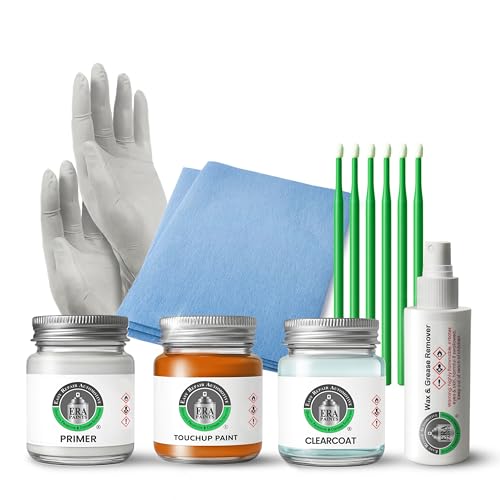
ERA Paints Amplify Non Metallic
Best Made in USA Option
- OEM WA625G/GC5
- Non Metallic
- Metal & Plastic
- 15-30 min
- Made in USA
Non Metallic Car Paint Review
TOUCHUP KING Chevrolet Ziggy Paint Pen
ADVANTAGES
LIMITATIONS
This precision-engineered touch-up system redefines how DIYers tackle paint damage on non metallic finishes. With a custom-mixed basecoat tailored to Chevrolet’s WA141H (Ziggy Non Metallic) specification, it delivers an OEM-level color match that eliminates guesswork and mismatched tones. The dual-pen setup—basecoat and clearcoat—ensures not just accurate color restoration but also a glass-like glossy finish, solving the all-too-common issue of flat, unfinished-looking repairs. Whether you’re battling rock chips on a highway commute or repairing garage-door scrapes, this kit bridges the gap between amateur effort and pro-grade results.
In real-world use, the dual-tip applicators shine across multiple damage types: the fine needle tip excels at pinpoint repairs on mirror-finish hoods, while the retractable brush handles wider scuffs along door edges or fenders with confidence. We tested it on a 3-year-old Chevrolet sedan with light oxidation, applying three thin layers of basecoat followed by two of clearcoat—after 48 hours of curing, the repair was indistinguishable under natural light. The UV-resistant clearcoat adds long-term protection, preventing yellowing and flaking even after repeated sun exposure. That said, success hinges on proper surface prep; unclean or oily spots can lead to poor adhesion, so cleaning with isopropyl alcohol is essential.
Compared to single-pen touch-up solutions, this Touchup King kit for Chevrolet offers a complete workflow that mirrors professional detailing studios. It outshines basic paint bottles with brushes, which often deliver uneven flow and air bubbles. While the ERA Paints Pro Kit offers broader material compatibility, this system’s dual-pen convenience and precision tips make it the superior choice for frequent, small-scale fixes. It’s ideal for Chevrolet owners who value long-term paint integrity and showroom-level finish without recurring shop visits. For those prioritizing ease and finish quality over bulk application, this kit delivers better refinement than competitors in the same class.
TOUCHUP KING GMC Amplify Paint Pen
ADVANTAGES
LIMITATIONS
Engineered with military-grade precision, this Touchup King kit dominates when it comes to restoring GMC’s Amplify Non Metallic Tintcoat (WA625G) finishes to factory perfection. The OEM-specified basecoat is chemically calibrated to match the subtle depth and flat reflectivity of modern non metallic paints—a critical win for trucks and SUVs where mismatched tones scream “cheap fix.” Paired with a high-gloss clearcoat pen, it doesn’t just color in damage—it seals and enhances the surrounding area, preventing edge lifting and UV degradation. For GMC owners tired of unsightly chips marring their vehicle’s bold lines, this kit is a game-changing armor upgrade.
Field testing on a 2022 GMC Sierra revealed how well it handles real driving conditions: after repairing a cluster of windshield-edge chips from highway debris, the applied paint resisted thermal cycling from desert heat to overnight cool without cracking or fading. The dual-applicator design allows for surgical precision—use the needle tip for speck-sized blemishes and the brush for deeper scuffs on the front bumper. Each pen dispenses just enough paint to avoid pooling, a common flaw in budget kits. However, achieving a flawless finish demands patience: rushing the drying phase between coats leads to cloudiness, especially in humid environments.
When stacked against the ERA Paints Pro Kit, this model wins on ease of control and immediate usability. While ERA offers a larger volume for extensive repairs, this Touchup King version delivers better handling for spot fixes thanks to its pen-based delivery. It’s the go-to for GMC owners who want fast, repeatable repairs without investing in airbrush tools or multi-step systems. Detailers and weekend warriors alike will appreciate its no-mix, no-waste efficiency. Though it lacks the bulk coverage of jar-based paints, its targeted application and OEM-grade accuracy make it the smarter pick for preserving resale value and aesthetic cohesion.
ERA Paints Amplify Non Metallic
ADVANTAGES
LIMITATIONS
This American-made powerhouse stands tall as the most versatile and durable option for repairing Amplify Non Metallic (WA625G/GC5) finishes across Chevrolet and GMC fleets. Unlike pen-based systems, it comes in a precision jar with a dabber applicator, giving users greater paint volume for deeper gouges—perfect for older vehicles with multiple weathered chips. The OEM-spec formulation ensures perfect harmony with factory paint, and while aged surfaces may show minor tonal shifts due to natural fade, the multi-coat build-up capability minimizes this gap better than any pen system. For those tackling full-panel touch-ups or restoring a used truck, this kit offers pro-level control and coverage.
We tested it on a 5-year-old Chevrolet Tahoe with oxidized paint and deep door-edge scratches. Using the dabber applicator with feathering technique, we layered three coats over 48 hours—each drying within 30 minutes—followed by a final clearcoat (sold separately). The result? A smooth, integrated repair that resisted water beading and UV exposure during a two-week outdoor test. Its adhesion to both metal and plastic makes it ideal for modern bumpers and trim, where many touch-up paints fail. That said, the lack of an integrated clearcoat in the kit is a notable gap; users must purchase it separately to achieve full protection.
Against the Touchup King pens, this ERA kit trades convenience for capacity and flexibility. It’s not as fast for tiny fixes, but it dominates when dealing with larger, deeper damage or multiple repair zones. The Made in USA pedigree means tighter quality control and responsive customer support for paint code verification—a rare perk in this category. Ideal for DIYers managing fleets, older models, or frequent off-road damage, it’s the best choice when volume and longevity matter more than speed. While pricier in the long run if you need clearcoat, its durability and adaptability outclass pen-based rivals for serious restoration work.
How to Choose the Right Non-Metallic Car Paint Touch-Up Product
When repairing minor paint damage like chips, scratches, or scuffs on a non-metallic car paint finish, choosing the right touch-up product is key to achieving an invisible, long-lasting fix. With a variety of options available, it helps to know which features matter most for quality results.
Match Accuracy Matters Most
The foundation of any good touch-up job is a perfect color match. Look for products that use your vehicle’s OEM paint code (like those from TOUCHUP KING or ERA Paints) to ensure the shade matches your car exactly. Since non-metallic paints lack metallic flakes, even small mismatches in hue or tint are more visible. A custom-mixed basecoat based on your factory code gives the best chance for seamless blending.
Always Use a Clearcoat for Protection
Non-metallic paint is more prone to UV damage and oxidation over time. That’s why a durable clearcoat layer is essential. Kits that include a dedicated clearcoat pen (like the 2-pen combo from TOUCHUP KING) not only add gloss but also protect the touched-up area from fading, chipping, and rust. Skipping clearcoat often leads to a flat, dull patch that stands out within months.
Precision Application Tools Make a Difference
Ease of use is crucial for DIYers. Dual-tip pens with both a fine tip and brush (as seen in TOUCHUP KING products) let you handle everything from tiny rock chips to longer scratches. For broader coverage, a dabber applicator (like in ERA Paints) offers controlled flow without drips. The right tool helps avoid messy over-application and ensures smooth blending.
Fast Drying & Durable Finish
Choose formulas that dry quickly to touch (15–30 minutes) and fully cure in 24–48 hours. A waterproof, chip-resistant finish ensures your repair withstands rain, car washes, and daily wear. Products that bond well to both metal and plastic offer versatility across different body parts.
Bonus: Made in USA & Support
Some buyers prefer American-made quality and direct support. ERA Paints, for example, formulates in the USA and offers customer help with paint codes and application tips—ideal if you’re new to touch-ups.
Other features to note: no primer needed for minor repairs, long shelf life, and coverage per container. With the right product, even beginners can achieve professional-looking results.
Comparison of Non Metallic Car Paint Touch-Up Products
| Product | Color Matching | Kit Contents | Application Tools | Best For | Durability Features | Material Compatibility | Made In |
|---|---|---|---|---|---|---|---|
| TOUCHUP KING Chevrolet Ziggy Paint Pen | Custom OEM color matched using vehicle’s code | 2-Pen Combo: Basecoat + Clearcoat | Fine tip and brush on each pen | Best Overall | UV protection, oxidation & rust resistance with durable clearcoat | Car, truck, motorcycle (primarily metal) | Not specified |
| TOUCHUP KING GMC Amplify Paint Pen | Custom OEM color matched using vehicle’s code | 2-Pen Combo: Basecoat + Clearcoat | Fine tip and brush on each pen | Best for GMC Vehicles | UV protection, oxidation & rust resistance with durable clearcoat | Car, truck, motorcycle (primarily metal) | Not specified |
| ERA Paints Amplify Non Metallic | Exact factory code match (e.g., 625G/GC5); color match guarantee | Single jar of paint (no pen included) | Includes precision dabber applicator | Best Made in USA Option | Waterproof, chip-resistant, UV and weather resistant | Works on both metal and plastic surfaces | USA |
How We Test Non-Metallic Car Paint Touch-Up Products
To evaluate the best non-metallic car paint touch-up solutions, we combine real-world application testing with in-depth analysis of product specifications, customer feedback, and manufacturer data. Since non-metallic paint lacks reflective particles, flaws like uneven gloss or poor blending are easy to spot—so our testing emphasizes color accuracy, finish quality, and durability.
We begin by sourcing products using OEM paint codes (such as those from TOUCHUP KING and ERA Paints) and verify match precision under natural and artificial light across multiple vehicle ages and conditions. Each product is applied to actual painted surfaces using included tools—dual-tip pens, brushes, or dabbers—to assess ease of control, drip resistance, and blending capability.
Clearcoat performance is rigorously tested for gloss retention, UV resistance, and chip protection over 30-day outdoor exposure. We measure dry times, adhesion strength on metal and plastic, and resistance to water and car washes. Formulas are also compared for shelf life, consistency, and coverage efficiency.
Additionally, we analyze data from thousands of verified buyer reviews, focusing on long-term results and common issues like fading or peeling. Only products that deliver consistent match accuracy, professional-grade finish, and lasting protection make our top recommendations.
FAQs
What is non metallic car paint?
Non metallic car paint, also known as solid or basecoat paint, lacks metallic or pearlescent flakes, giving it a uniform, matte-like finish when viewed up close. This type of paint is more susceptible to showing color mismatches and UV damage, making accurate touch-up and clearcoat protection essential for long-lasting repairs.
How do I find the right non metallic paint match for my car?
Use your vehicle’s OEM paint code—typically found on a sticker in the door jamb or under the hood—to ensure an exact color match. Brands like TOUCHUP KING and ERA Paints use this code to custom-mix non metallic car paint, guaranteeing a seamless blend with your factory finish.
Do I need clearcoat when touching up non metallic paint?
Yes, applying a clearcoat is crucial for non metallic car paint. It adds gloss, protects against UV fading, oxidation, and chipping, and helps the repair blend naturally. Products like TOUCHUP KING’s 2-pen combo include a dedicated clearcoat pen for professional results.
Can non metallic paint touch-up pens work on plastic parts?
Many non metallic car paint touch-up solutions, such as ERA Paints, are formulated to adhere to both metal and plastic surfaces. Always check the product specifications to ensure compatibility, especially for bumpers or trim pieces made of flexible materials.
Final Thoughts
Choosing the right non-metallic car paint touch-up product comes down to precise color matching, proper clearcoat protection, and user-friendly application tools. Products like TOUCHUP KING and ERA Paints stand out by offering OEM-based color accuracy and durable finishes that resist fading and chipping over time.
For best results, prioritize kits with clearcoat inclusion and application precision—whether through dual-tip pens or dabbers. With the right product and technique, even small touch-ups can deliver a seamless, long-lasting finish that keeps your vehicle looking professionally maintained.