Top 7 Best Car Seat for Preemies

If you’re looking for the best car seat for preemies, you’re doing the right thing. The premature infants have special safety and fit needs. So, choosing the appropriate seat can make a big difference. In this guide I’ll walk you through what to look for, why it matters, and some of the top picks available. I’ll keep it conversational and friendly, and break things down into simple terms so you feel confident.

Table of Contents

Why Preemies Have Unique Needs?

When a baby is born preterm (before 37 weeks), or just very small, their body size, muscle strength and sometimes respiratory system are still catching up. That affects how a car seat fits and works. According to the experts:

  • A suitable seat should allow a rear‐facing position until the baby enlarges the seat.
  • The seat should have a very low minimum weight and height to safely fit a smaller baby.
  • Proper harness fit, correct recline angle, and avoiding head slump are extra‐important.

In short: normal car seats designed for full-term infants might not offer the right support or fit for a preemie.

Top 7 best car seat for preemies

 1. Evenflo NurtureMax

When you’re welcoming a newborn into the world, every piece of gear matters. But few items get more use than a car seat. If you’re looking for a reliable, budget-friendly option that covers the basics and keeps your little one safe during those first rides home and beyond, the Evenflo NurtureMax could be a compelling choice. In this review, I’ll dive into the key features and benefits, weigh the pros and cons, help you decide who this seat is best for, and give you my final verdict — plus a clear call-to-action if you’re ready to buy.

Key Features & Benefits

Here are the standout features of the NurtureMax and what they mean for you and your baby:

  • Lightweight design (just under 6 lbs for the carrier): According to Evenflo, the seat weighs just under 6 lb, making it one of the lighter infant seats in its class.
    • Benefit: Easier to carry when you’re juggling baby, diaper bag, and more.
  • Child fit: 4–22 lbs and 17–29 inches tall: The official spec states the seat is designed for infants from as low as 4 lbs up to 22 lbs, and 17–29″ in height.
    • Benefit: It covers the newborn phase through to several months of age, giving you time before needing to upgrade.
  • Anti-Rebound Bar (ARB): The base includes an anti-rebound bar which is designed to absorb and dissipate crash forces, limiting “bounce back” of the seat.
    • Benefit: A safety feature that adds extra peace of mind beyond the standard base.
  • Full‐Coverage Canopy + Ergonomic “Push & Go” Handle: The canopy protects baby from the elements, and the handle is designed for one-hand adjustment.
    • Benefit: Comfortable for you to use; baby gets good coverage and shade when outside the car.
  • Meets applicable federal safety standards: The seat meets the required regulatory standards in the U.S. (and passes real-world reviews) for infant car seats.
    • Benefit: You’re not sacrificing safety for budget; this is not a bare-minimum seat.
  • Machine-washable cover / reasonably easy maintenance: Some feedback suggests the fabric is removable for cleaning.
    • Benefit: With babies, spills and messes happen — cleaning ease matters.

Pros & Cons

It’s important to see both sides of the coin. Here’s a detailed breakdown:

👍 Pros

  • Very affordable compared to many infant seats.
  • Lightweight and relatively easy to carry (carrier alone under 6 lb).
  • Adequate size range (4–22 lbs) means you can use it from newborn phase onward.
  • Anti-rebound bar offers additional safety edge.
  • Meets regulations and has strong independent reviewer support for small baby fit.
  • Good for smaller cars or families on a budget.

👎 Cons

  • Installation and ease-of-use features are somewhat basic: reviewers highlight it lacks a recline foot on the base, handle positioning is limited, and instructions/labels may be unclear.
  • Fit in vehicles: One review notes that it does not fit “3-across” well in some cars, and requires at least 1.5″ clearance from the front seat in outboard positions.
  • No stroller compatibility officially (so you may need a separate stroller or adapter).
  • Padding and newborn insert support may be less than premium models. Some parents felt newborn head support was minimal.
  • Because it’s an infant-only seat, you will need to upgrade once baby outgrows the height/weight limits (22 lbs / 29″) — shorter lifespan than some convertible/extended seats.

Who Is This Product For?

Here’s a quick guide to whether the Evenflo NurtureMax is a good fit for you:

Best for:

  • First-time parents looking for a solid infant car seat without breaking the bank.
  • Families on a budget but still wanting decent safety features.
  • Parents who primarily do short to moderate trips (since the padding is less luxe, but safety is present).
  • Parents of smaller vehicles looking for a narrower seat (17.4″ wide as reported) to maximize fit.
  • Parents who don’t need or anticipate to use the car seat with many stroller attachments/plugins; or who plan separate stroller/carry system.

Less ideal for:

  • Parents seeking premium features (luxury padding, full stroller travel-system compatibility, extended height/weight range beyond 22 lbs).
  • Families who travel often with a stroller + seat combo and need confirmed compatibility.
  • Parents who want maximum lifespan with one seat (some convertible seats allow much higher weight/height).
  • Vehicles with very tight rear seat space where the 1.5″ clearance rule may be hard to meet.
  • Parents wanting very plush cushioning or a newborn insert included for very small infants, especially if baby is very preterm and needs extra recline/fit accommodations.

Final Verdict

If I had to sum it up: the Evenflo NurtureMax is a smart value pick for parents who want a reliable, safe infant car seat without paying premium prices. It ticks the major safety boxes, offers a respectable weight/height range (4–22 lbs / 17–29″), and includes a standout feature in the anti-rebound bar — rare in budget seats.

However, it’s not perfect. The ease-of-use features (recline adjust, handle position, labeling) are modest, and you may need to upgrade sooner than with a top-tier model. Also, if stroller-system compatibility is a must for you, this might not be the best match.

My recommendation: If your priority is safety + affordability + light weight — yes, go for it. If you want all the bells and luxury features, you might spend a bit more for a higher end seat.

Affiliate Call-to-Action:
If you’re ready to give your newborn a safe, comfortable ride home and beyond — check the current price of the Evenflo NurtureMax Infant Car Seat [here on Amazon] (affiliate link) and see if it fits your car, your budget, and your lifestyle. Don’t wait until the last minute — your baby deserves a secure ride from day one!

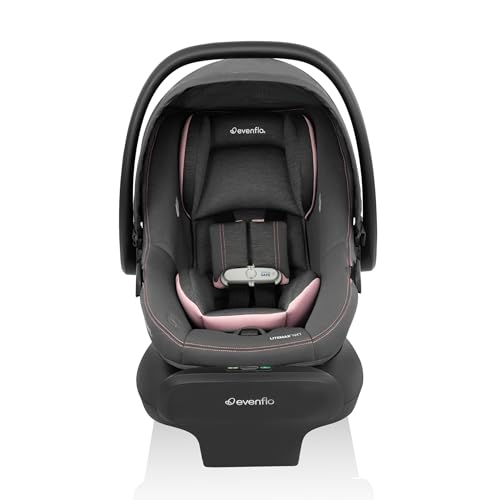
2. Evenflo Litemax

Choosing the right car seat for your baby is a huge deal. You’ll want safety, ease of use, and a design that actually fits your everyday life. The Evenflo LiteMax aims to deliver on all three by offering a lightweight build, a broad weight range, and a trusted brand name—all at what many would call an accessible price point. But as with any product, it’s not perfect.

If you’re wondering whether the LiteMax is the smart choice for your baby and lifestyle, keep reading—I’ll walk you through everything.

Key Features & Benefits

Here are the standout features of the LiteMax and why they matter:

  • Wide fit range: The LiteMax is rated to fit infants from about 3 lbs up to 30 lbs (15.7‑32 in tall) according to the manufacturer.
    • Benefit: Helps parents get more mileage out of the seat—from newborn phase through several months.
  • Lightweight carrier: One of the lighter infant seats in its class, making it easier to carry when baby is sleeping or you’re juggling bags.
  • Stay‑in‑car base with lock‑off system: Makes installation more straightforward and gives you peace of mind that the base is secured.
  • Adjustable harness and multiple positions: The LiteMax series includes features like a no‑rethread harness, multiple shoulder height settings, and crotch buckle positions.
    • Benefit: Helps get a safer fit as baby grows.
  • Good safety record: Reviewers note that Evenflo seats in this range perform well in crash testing, particularly the LiteMax DLX version.
  • Machine‑washable cover, reasonable durability: Everyday practicality for real parents.

Pros & Cons

Here’s what you’ll gain, and what you might compromise on.

👍 Pros

  • Very competitive price point compared to many premium infant car seats.
  • Lightweight, making transport (carrier + baby) easier on parents.
  • Extended weight range means you won’t have to upgrade as quickly.
  • Solid safety credentials—better than many budget seats.
  • The base installation features (belt lock‑off) help achieve a secure fit.

👎 Cons

  • Some users report that the seat is fairly narrow which may feel tight as baby grows, especially in width.
  • Installation via LATCH may not be as intuitive as some competitors: reviewers flag issues with buckle ease and harness tightening.
  • Not all strollers (especially non‑Evenflo brands) will be compatible with this seat without adapters—or at all.
  • While safety is good, comfort (padding, plushness) may be less than in luxury models.
  • For very tiny infants or preemies, some reviewers felt additional support was needed (insert or better head support).

Who This Product Is For

Here’s a quick breakdown of whether the LiteMax is a good match for you—or if you’re better off looking elsewhere.

Ideal for:

  • Parents seeking a value‑packed infant car seat—safe, practical, reasonably priced.
  • Those who carry the seat often and want something lighter.
  • Families using a single car and planning infant travel for the first several months—not necessarily needing extended toddler use.
  • Parents who are using an Evenflo stroller system already or are okay with limited stroller compatibility.

Less ideal for:

  • Families who prioritize premium padding, ultra‑luxury materials, or seating width for a bigger baby.
  • Those who switch between multiple cars or need the seat to be moved very frequently with ease and universal compatibility.
  • Parents planning long‑term use through toddler years (since this is an infant‑only seat).
  • Anyone whose stroller system requires specific car seat compatibility with many brands/adapters.

Final Verdict

The Evenflo LiteMax Infant Car Seat strikes a strong balance between cost and functionality. If you’re looking for a seat that delivers solid safety, doesn’t crunch your budget, and keeps things manageable for everyday use, it’s a very compelling choice.

That said, it’s not the ultimate luxury option—there are trade‑offs in comfort, width, and system compatibility. If you expect to upgrade later, or have very specific use‑cases (multiple vehicles, large stroller system, or require the plushest comfort), you might consider stepping up. But for a first car seat, especially in that sweet spot of value + safety, the LiteMax absolutely earns its place.

Affiliate Call‑to‑Action:
Ready to check current pricing and get your baby’s ride secured? Head over to the listing for the Evenflo LiteMax Infant Car Seat on Amazon (affiliate link) to view the latest deal, check vehicle fit, and grab one while it’s available. Your baby deserves a safe, smart start in their car adventures—make it happen today!

3. Century Carry On 35 LX

Choosing an infant car seat is one of the most essential baby purchases you’ll make. You need something that delivers safety, ease of use, and doesn’t weigh you down every time you carry the baby in or out of the car. The Carry On 35 LX aims to tick those boxes. It promotes a super light carrier, eco‑friendly fabrics, and a budget‑friendlier price point compared with premium seats. But as with any product, it’s not flawless.

If you’re wondering whether this is the right car seat for your baby and your lifestyle, stick with me—I’ll walk you through everything you need to know.

Key Features & Benefits

Here are the standout features and why they matter:

  • Ultra‑Lightweight Design: The carrier weighs under 8 lbs (without base) for the LX version.
    • Benefit: Easier on your arms when you’re carrying baby, diaper bag, groceries, and navigating stairs or parking lots.
  • Large Weight/Height Range: Designed for infants from 4‑35 lbs and up to 32″ in height, making it suitable from newborn through many months of growth.
    • Benefit: Gives you more time before needing to upgrade to the next stage.
  • Plush Newborn Insert & Extra‑Large Canopy (LX version): The LX trim adds extra supports, harness covers, and a larger canopy with visor.
    • Benefit: Better fit and comfort especially for smaller newborns; more shade and comfort for baby.
  • Eco‑Friendly Materials: Part of the “Happy Planet Collection” with fabrics made from recycled materials.
    • Benefit: For eco‑conscious parents, this adds an extra appeal.
  • Compact Footprint: Reviewers highlight that despite its weight range, the seat remains relatively compact, making it a good option for smaller cars or tighter back seats.
    • Benefit: Helps with ease of installation and space management in smaller vehicles.

Pros & Cons

Here’s what you’ll get—and what you might trade off—with the Carry On 35 LX.

👍 Pros

  • Lightweight carrier makes it easier to move baby and seat together.
  • Good weight/height range (4–35 lbs / up to 32″) gives lifespan for many months of rear‑facing.
  • Additional newborn support (insert, harness covers) in LX version for smaller infants.
  • Stylish, modern look and eco‑friendly materials.
  • Compact size fits better in many vehicles or tighter spaces.

👎 Cons

  • Basic install features: some reviewers note it lacks a seat‑belt lock‑off mechanism (on base) or other premium convenience features.
  • Limited to infant‑only (rear‑facing only) — you’ll need to upgrade once baby outgrows the seat.
  • Fit and installation can be trickier in some vehicles especially with seat‑belt method vs. LATCH.
  • Stroller compatibility: The seat only works seamlessly with Century strollers (not always universal with other brands).
  • Some users reported creaking noises or base movement in corners (per user reviews).

Who This Product Is For

Here’s a breakdown of whether the Carry On 35 LX is a good fit for your situation.

Best for:

  • New parents looking for a safe, lightweight infant seat that won’t cost as much as premium models.
  • Families whose car has tight space in the back seat or who need a smaller‑footprint seat.
  • Parents who handle carrying baby in and out often (shopping, errands, stairs) and want ease of use.
  • Mom or dad who cares about eco‑friendly materials and style, as well as function.

Less ideal for:

  • Families who want a convertible seat that grows into toddler stages (instead of upgrading later).
  • Parents who use a stroller system from a different brand and expect seamless adapter compatibility.
  • Those who prioritize the most advanced installation features (e.g., multiple lock‑offs, advanced base tech) or those with challenging vehicle seat installations.
  • Users who want plushest comfort/padding and premium luxury features (which are often found in higher‑cost seats).

Final Verdict

All things considered: The Century Carry On 35 LX Lightweight Infant Car Seat offers very compelling value. It nails the core priorities: safety, lightweight portability, good fit range, and eco‑conscious materials. If your budget is moderate and you’re looking for a smart, practical infant car seat with fewer frills, it’s a solid pick.

That said, it doesn’t have all the bells and whistles of high‑end seats. If your priority is maximum comfort padding, extended usage into toddler stage, or universal stroller travel‑system integration, you might consider spending a bit more or looking at seats with convertible features. But if you’re focused on having a quality infant car seat that covers the newborn phase through many months—and you like the lightweight ease—this seat hits its mark.

Affiliate Call‑to‑Action:
Ready to make your next ride safe and comfortable for your baby? Click here to check current pricing and availability of the Century Carry On 35 LX on Amazon (affiliate link) and decide if it’s the right fit for your family. Don’t wait—get your baby set up for safe travel from day one!

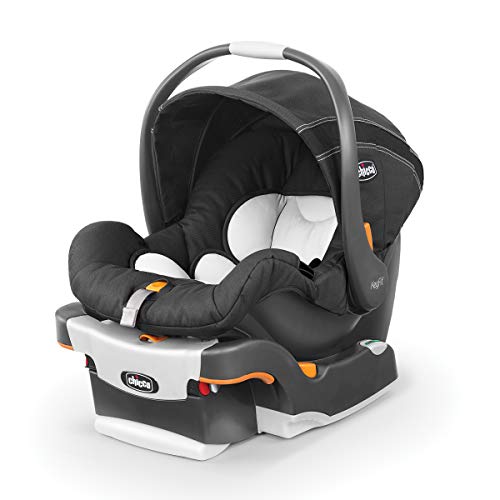
4. Chicco KeyFit 30

If you’re shopping for a reliable infant car seat, the Chicco KeyFit 30 Infant Car Seat is a strong contender. As an Amazon affiliate marketer, I’ve dug into its features, benefits, weaknesses, and whether it’s the right fit for your family so you can decide with confidence.

Introduction

Bringing a baby home—or heading out on day‑trips—means you’ll rely a lot on your infant car seat. It should offer safety, ease of installation, and become something you feel comfortable using every single day. The Chicco KeyFit 30 is widely regarded as a go‑to for new parents: it delivers impressive safety credentials, a well‑designed base, and stroller compatibility that makes it a practical “first seat” for many families. But like all car seats, it isn’t perfect. In this review I’ll walk you through what stands out, what might bother you, who this seat is best for, and my final verdict.

Key Features & Benefits

Here are some of the top features of the KeyFit 30 — and why they matter for you and your baby:

  • Broad fit range (4‑30 lbs / up to 30″ height): This lets you use the seat from newborn phase through many months of baby’s growth.
    • Benefit: You’ll likely get more mileage out of it before upgrading.
  • User‑friendly base with clear indicators: The seat base includes bubble level indicators, a built‑in recline foot, and both seat belt and LATCH installation options.
    • Benefit: Helps you ensure correct installation, which is a key factor in safety.
  • Strong safety performance in crash tests: While not absolutely top of class, independent tests show the KeyFit 30 performed above average in crash metrics.
    • Benefit: Gives you peace of mind that it isn’t simply “basic,” but solid.
  • Good stroller compatibility & travel system friendly: Works with many Chicco strollers (and with adapters, other brands) so you can move baby from car to stroller without disturbance.
    • Benefit: Great for errands, travel, or when you’re often moving between car and stroller.
  • Removable canopy & washable cover: The cover can be removed for cleaning; there’s a canopy for shade too.
    • Benefit: Practical for real‐life use (spills, messes, car rides).

Pros & Cons

Let’s dive deeper — what are the key strengths, and what drawbacks should you be aware of?

👍 Pros

  • Excellent ease of installation for many users — the base setup is highly rated.
  • Reliable safety performance — better than average in independent testing.
  • Fits well into many vehicles (including smaller ones) and pairs smoothly with travel systems.
  • Good value for the price relative to seats with similar credentials.
  • Newborn insert support helps smaller infants fit safely from early on.

👎 Cons

  • Padding and comfort level are not as premium as higher‐end models; reviewers say the side padding and overall “seat feel” are modest.
  • Canopy is somewhat small and could offer better coverage, especially for sunshine or glare.
  • The carrier weight is a little heavier than ultra‐light models, which may matter if you’re carrying baby + seat frequently across stairs or long distances.
  • Installation without the base (i.e., using just the carrier with vehicle belt) is reported to be more challenging or less intuitive than with the base.
  • Some users mention the fabric is a bit coarse or less plush than competitors.

Who This Product Is For

Here’s a breakdown — if this seat is a good match, and if it might not be.

Best suited for:

  • New parents who want a “workhorse” infant seat that covers safety, usability, and fits well into many car/stroller combinations.
  • Families who use a travel system and want easy compatibility between car seat and stroller.
  • Users who value installation ease and want something well‐reviewed for safety without spending a luxury price.
  • Those whose vehicle space is somewhat limited, and want a seat known to fit reasonably well in midsize/compact cars.

Less ideal for:

  • Parents who prioritize plush luxury materials, ultra lightweight carriers, or maximum longevity (beyond infant stage) — convertible models may last longer.
  • Families who carry the car seat up and down flights of stairs frequently and want the lightest possible carrier weight.
  • Users who drive very small cars and regret even moderate carrier weight or bulk.
  • Those who often remove the carrier and install by belt only (without base) and prefer ultra simple no‑base installation.

Final Verdict

If I were summarizing: The Chicco KeyFit 30 is a very solid infant car seat that offers an excellent blend of safety, usability, value, and compatibility. It’s not the flashiest model with all the bells and whistles, but it does the essentials really well. For many families, it hits the sweet spot of “trusted brand + strong review performance + practical everyday use.”

If your priority is maximum comfort, ultra lightweight, or extending past the infant stage, you may want to compare to a convertible or higher‐end seat. But if you’re looking for a dependable first seat that covers your baby’s needs from day one, the KeyFit 30 deserves serious consideration.

Affiliate Call‑to‑Action:
Ready to pick up a car seat you can trust? Head over to Amazon now to check current pricing and availability for the Chicco KeyFit 30 Infant Car Seat. Use the link below to view details, read the most up‑to‑date user reviews, and decide if it’s the right fit for your baby’s first rides.
👉 Check the Chicco KeyFit 30 on Amazon
(affiliate link)

5. Graco Snugride Snugfit 35 DLX

If you’re in the market for a reliable infant car seat and have your eye on the Graco SnugRide SnugFit 35 DLX Infant Car Seat, this review is for you. As an experienced Amazon affiliate marketer, I’ll give you a straight‑up, honest, persuasive review—highlighting what stands out, what doesn’t, who it’s ideal for, and whether it’s worth your money.

Introduction

Choosing the right car seat for your baby is one of the most important purchases you’ll make. You want something that’s safe, easy to install, and becomes part of your everyday rhythm—whether that’s car rides home from the hospital, errands around town, or longer trips. The SnugRide SnugFit 35 DLX from Graco aims to hit those marks by delivering robust features, strong user reviews, and a trusted brand name. But as with any product, it isn’t perfect.

If you’re wondering whether this is the right seat for your family and your lifestyle, keep reading—I’ll walk you through everything you need to know.

Key Features & Benefits

Here are the standout features of the SnugRide SnugFit 35 DLX — and why they matter:

  • Wide fit range (4–35 lbs / up to 32″ height): According to Graco, this seat accommodates infants from 4 lbs up to 35 lbs, and up to 32 inches tall.
    • Benefit: Means you’ll potentially get more months of use before upgrading.
  • Anti‑Rebound Bar & SafetyCore™ engineered shell: It includes an anti‑rebound bar for rear‑facing rides and claims engineered impact absorption for front/side/rear rollover crashes.
    • Benefit: Extra peace of mind when on the road.
  • No‑Rethread Simply Safe Adjust™ Harness & Adjustable Headrest: You can adjust the headrest and the harness together, without re‑threading the straps.
    • Benefit: Easier adjustments as baby grows, less hassle.
  • Easy Install Base with Bubble Level Indicator & SnugLock™ Installation: The base features indicators for proper recline, multiple recline positions, and a “SnugLock” system for easier installation by LATCH or seat belt.
    • Benefit: A correct installation is one of the most important safety factors; this makes it more user‑friendly.
  • Silent Shade™ canopy + Rapid Remove seat pad: The canopy is designed to move quietly so as not to disturb baby, and the seat pad can be removed for easier cleaning.
    • Benefit: Daily life with a baby is messy—easy cleaning and less fuss matter.

Pros & Cons

Let’s dive deeper — what are the key strengths, and what drawbacks should you be aware of?

👍 Pros

  • Excellent value for a seat that offers good safety credentials (large weight range + engineered shell).
  • Easy to install in most vehicles via LATCH or belt thanks to the base design and install aids.
  • Good user reviews: many parents report comfort, ease of use, and feeling confident about safety.
  • Adjustable harness/headrest combo means fewer hassles as baby grows.
  • Practical features (removable cover, decent canopy, anti‑rebound bar) that add up in real‑life use.

👎 Cons

  • Some users report that the head support or insert for very small newborns is not as plush/ideal as premium models. For instance, one reviewer noted: > “The fabric is not soft, so I took 1 star for that.”
  • While installation is fairly straightforward with the base, installing without the base (belt only) may be trickier than some competitors. Experts note issues with “baseless installs.”
  • Compatibility with non‑Graco strollers/adapters may require extra adapters or may be a little less seamless than some brands. (Some users mentioned confusion and adapter issues.)
  • The carrier weight (with seat + baby) may still feel heavy for frequent lifts—infant seats by nature carry bulk and this isn’t the lightest class.
  • As with all infant‑only seats, once baby outgrows it you will need to upgrade to a convertible seat.

Who This Product Is For

Here’s a breakdown of whether the SnugRide SnugFit 35 DLX is a good match for you — and when you might want to consider an alternative.

Best suited for:

  • Parents who want solid safety + a trusted brand without going into ultra‑premium cost territory.
  • Families using a travel system or needing a seat that integrates with a stroller and a base for everyday convenience.
  • New parents looking for an infant car seat that covers from newborn up to many months (thanks to the 35 lbs limit).
  • Those who anticipate many car rides and want a seat that installs easily and holds up to frequent use.

Less ideal for:

  • Those who prioritize ultra‑lux comfort, the absolute lightest carrier weight, or luxury materials — premium models may offer more in those areas.
  • Families who will do a lot of taxi/travel/airplane where they often remove the base and install via seatbelt—if that’s frequent, you may want a model with easier baseless installs.
  • Users who expect to keep the same seat well into toddler stage—convertible seats go further (but cost more).
  • Parents whose stroller system is non‑Graco and require seamless compatibility—may need adapters or face limits.

Final Verdict

If I were summarizing: The Graco SnugRide SnugFit 35 DLX is a very strong choice for most new‑parent situations. It checks the major boxes: safety, installation ease, brand reliability, and practical usability. It won’t probably win a luxury carpet‑soft padding contest or be the lightest on the market, but it delivers real value.

So if your priority is finding a reliable infant car seat that you can trust from day one, that integrates well with a daily lifestyle of car rides, errands, and maybe occasional longer trips—this seat absolutely earns serious consideration.

Affiliate Call‑to‑Action:
If you’re ready to give your newborn a safe and dependable ride home (and beyond), head over to Amazon now to check the current pricing and availability for the Graco SnugRide SnugFit 35 DLX Infant Car Seat. Click here: [Check Price & Availability on Amazon – Affiliate Link]
Don’t wait—make sure your little one’s first car ride is a secure and comfortable one.

6. Clek Liing

If you’re in the market for a premium infant car seat, the Clek Liing Infant Car Seat is worth a serious look. As an experienced Amazon affiliate marketer, I’ll offer you an honest, detailed review—what stands out, what needs improvement, who it’s best for—and at the end a clear call‑to‑action so you can decide if it’s right for you.

Introduction

Choosing a car seat for your newborn (or soon‑to‑be born) is one of the most important purchases you’ll make. You want something that delivers top‑tier safety, offers ease of use, and fits into your everyday life (and car) without extra stress. The Clek Liing enters the scene as a high‑end, safety‑focused infant seat built by a brand known for engineering and design. It comes at a higher price point than many, but promises advanced features, narrower fit, and solid safety credentials. But as with any product, it’s not perfect—and you’ll want to evaluate whether the premium cost matches your priorities and lifestyle.

If you’re wondering whether the Liing is the right fit for your family, your car, and your budget, keep reading—I’ll walk you through everything.

Key Features & Benefits

Here are some of the top features of the Clek Liing—and why they matter for you and your baby:

  • Advanced Safety Elements: The Liing offers a metal load leg to reduce crash forces (manufacturer claims up to 40% less) and a two‑piece energy‑absorbing shell with EPP foam for side‐impact protection.
    • Benefit: These features go beyond the minimum safety requirements, offering improved protection margins if you can afford them.
  • Effortless Installation (especially LATCH & base): It uses a rigid‑LATCH (UAS) system that many find easy to install with minimal guesswork, and the base has an adjustable recline with 7 positions and a bubble‑level indicator.
    • Benefit: Proper installation is one of the biggest determinants of car seat safety. A simpler installation helps ensure you’re doing it right.
  • Narrow Footprint & Compact Fit: At just ~16.9″ wide, the Liing is narrower than many infant seats, which helps if you need to fit three across, or have a smaller car/backseat.
    • Benefit: If you have multiple kids or a tighter car, this narrower design is a strong plus.
  • Newborn/Small Baby Support: It includes a two‑stage insert system for newborns and preemies (in many versions), ensuring a more snug and secure fit for very small infants.
    • Benefit: Helps ensure the harness fits correctly and baby is positioned well from day one.
  • Premium Materials & Build Quality: The Liing offers luxury fabric options, flame‑retardant free materials in many trims, and a long lifespan (9‑year expiration) plus a lifetime extended warranty.
    • Benefit: If you’re planning for use across multiple children, or simply want high‑end feel, this matters.

Pros & Cons

Let’s dive deeper—what are the key strengths, and what drawbacks should you be aware of?

👍 Pros

  • Excellent crash test performance and safety features: In independent testing, the Liing scored above average for crash protection.
  • Very good installation features: Rigid‑LATCH, adjustable base recline, clear indicators make it more fool‑proof than many seats.
  • Narrow design makes it one of the better choices for smaller cars or three‑across seating.
  • Small baby/newborn support built in, making it better suited for tiny infants than some bulk seats.
  • Premium materials, build quality and longer usable lifespan (9‑year expiration) makes it a longer‑term investment.
  • Free of certain flame‐retardant chemicals in many fabric options, which is a plus for eco/health‑aware parents.

👎 Cons

  • Price: The Liing commands a premium compared to many mainstream infant seats.
  • Carrier weight: While not extremely heavy, the carrier plus base is heavier than ultra‑light models—some parents felt it was a bit more to carry.
  • Stroller compatibility: While it works with many strollers via adapters, some parents report additional adapters needed or slightly tricky interface.
  • Harness/comfort trade‑offs: Some reviewers noted that despite the premium branding, the padding/fabric might not match the very top luxury seats; others found harness buckles less intuitive compared to others.
  • Recall history: The Liing (models produced prior to September 15, 2020) had a recall for canopy stay breakage (choking hazard) though the seat’s core safety structure was unaffected.

Who This Product Is For

Here’s a breakdown of whether the Liing is a good match for you, and when you might want to consider an alternative:

Best suited for:

  • Parents who prioritize safety first and are willing to pay more for advanced features and build quality.
  • Families with smaller cars or tighter back seats, where the narrower width is a tangible advantage.
  • Parents planning multiple children (or long‑term use) and want a car seat built to last, high quality, premium materials.
  • Users who are comfortable with using adapters for stroller compatibility and expect to invest in a high‑end infant seat.

Less ideal for:

  • Budget‑conscious parents seeking “good enough” seats under a tighter budget—there are more affordable models that satisfy minimum safety standards.
  • Families who carry the seat frequently up stairs or over long distances and need the absolute lightest carrier.
  • Parents whose stroller/travel system is non‑compatible or who need plug‑and‑play universal stroller fit—with the Liing you may have to confirm compatibility/adapters.
  • Those who anticipate needing a convertible seat (infant → toddler) sooner rather than later and prefer a model that lasts longer into toddler stage rather than an infant‑only seat with premium cost.

Final Verdict

If I were summarizing: The Clek Liing is a top‑tier infant car seat that ticks almost all the boxes for safety, installation ease, narrow fit, and premium build quality. If your budget allows, and your financial priority is giving your baby one of the best seats in the market, this is a strong choice.

That said, it isn’t for everyone—especially if budget is tight, if you value ultra‑light‑weight above all else, or if you need universal stroller compatibility with minimal adapters. But if your budget allows and your car/travel system fits, the Liing gives you a premium product that looks, performs, and fits like a high‑end item.

Affiliate Call‑to‑Action:
Ready to give your newborn a safe, comfortable, and high‑quality ride from day one? Click here to check current pricing and availability for the Clek Liing Infant Car Seat on Amazon (affiliate link). If it fits your budget, car, and travel lifestyle, it could be the investment that gives you peace of mind every time you buckle your little one in. Don’t wait—your baby deserves the best.

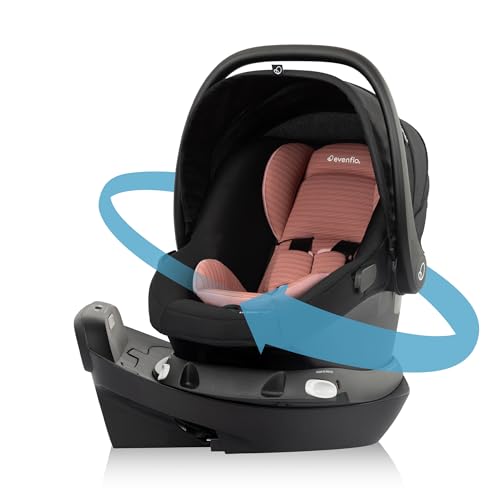
7. Evenflo DualRide

If you’re looking for a versatile car seat that also doubles as a stroller, the Evenflo Shyft DualRide™ Infant Car Seat & Stroller Combo is one of the most ambitious options on the market. As an Amazon affiliate marketer, I’ll walk you through a detailed, honest review—covering the big features, how it performs in real‑life, the trade‑offs, who it’s best for, and whether it’s worth your investment.

Introduction

Parents today often juggle more than ever: car rides, errands, quick strolls, travel, buildings with stairs, and tight parking. The DualRide tries to simplify things by combining your infant car seat and stroller into one piece of gear. No switching from carrier to stroller every time you leave the car. At first glance it’s a sleek idea—yet combining two roles often means some compromises.

So the question: Does the DualRide deliver as a safe, convenient everyday solution? That’s what I’ll help you decide.

Key Features & Benefits

Here are the standout features of the DualRide and why they matter:

  • Car seat + stroller in one step: The DualRide lets you go from car seat mode (wheels stowed or removed) to stroller mode (wheels extended) in a single piece of equipment.
    • Benefit: No need to carry your baby in the carrier, leave a separate stroller behind, or transfer them mid‑trip.
  • Wide infant fit range: Suitable for babies starting as light as 3 lbs up to about 30 lbs and height up to ~32 inches.
    • Benefit: Longer usable period compared to many smaller newborn‑only seats.
  • Built‑in wheels and carry‑on base: It includes a base for your car and wheels/stroller handle for sidewalk use; wheels detach or retract for stairs/carrying.
    • Benefit: Ideal for city living, parking garages, short errands, airports, etc.
  • SensorSafe® Technology (Bluetooth alerts): Some versions include real‑time alerts (via smartphone) for things like unbuckled harness, temperature warnings, etc.
    • Benefit: Adds another layer of safety / convenience for busy parents.
  • Convenience features: Extended canopy, carry‑all storage in the base, adjustable harness, stroller mode handle.
    • Benefit: Makes everyday outings smoother and more comfortable for baby and parent.

Pros & Cons

No product is perfect. Here’s what users consistently praise—and what they caution about.

👍 Pros

  • Unique convenience: Car seat and stroller in one piece is extremely handy in many scenarios.
  • Good safety credentials and infant fit range (3 lbs up to ~30 lbs).
  • Excellent for short trips, city use, quick errands, travel where you want minimal gear.
  • Some user reviews highlight how loved the product is when it works: > “By far the best combo stroller car seat I’ve had. Very convenient… Love how the wheels to the car seat can come off.”
  • Features like SensorSafe and carry‑all storage are added bonuses for tech‑savvy or travelling parents.

👎 Cons

  • Weight & Bulk: Because it combines both roles, it tends to be heavier than a standard infant carrier. Many users complain about the weight when carrying it without wheels or stairs.
  • Price: Given the added features, the cost is much higher than basic infant seats.
  • Complexity / Mechanism issues: Several users report problems with the wheel folding/retract mechanism or with switching modes.
  • Stroller performance limitations: Some users say the wheels/stroller mode don’t match full‑size stroller performance (e.g., maneuverability or smoothness) and the fabric or finish may feel less premium than expected.
  • Separate base / additional vehicle issues: If you want the seat in more than one car, extra base purchase or installation can be an issue.

Who This Product Is For

Here’s a guideline to decide if the DualRide is the right fit—or if you might want something simpler.

Best for:

  • Parents living in urban settings or who often use rideshares, apartments with stairs, parking garages, public transport—any scenario where a 2‑in‑1 solution helps.
  • Travelling families who dread transferring baby from carrier to stroller or managing multiple pieces of gear.
  • Parents who value tech features (SensorSafe), want a travel‑ready system, and are okay investing more for convenience.
  • Those whose car seat/stroller system is the main gear—they’re willing to accept some weight and complexity for the integrated approach.

Less ideal for:

  • Families on a tighter budget who may do mostly car rides and prefer separate gear (infant seat + separate stroller) for cost or flexibility reasons.
  • Parents who frequently carry the seat up/down stairs without wheels or want the lightest possible carrier—this may feel too heavy.
  • Users who expect high‑end stroller ride quality and terrain handling—this combo may not match premium full stroller systems.
  • Those who will use the seat in multiple vehicles without buying extra bases or installations; if you have two‑car household, you might face limitations.

Final Verdict

If I were summarizing: The Evenflo Shyft DualRide is a bold and smart solution for parents who want to streamline their baby‑gear setup. It packs the convenience of a car seat + stroller combo, supports very small infants, and adds tech‑savvy safety features.

That said, it comes with trade‑offs: higher price, increased weight and bulk, and more moving parts that mean more potential for issues (wheel mechanisms, mode transitions, extra mass). If you value convenience above all, travel frequently, and are okay with the premium cost and weight, then this product delivers a strong package.

However, if your priority is ultra‑lightweight, minimal cost, or separate gear that you already have or prefer, you might be better off picking a standard infant seat and a quality stroller separately.

Affiliate Call‑to‑Action:

👉 Ready to explore the Evenflo Shyft DualRide Infant Car Seat & Stroller Combo? Click here to view the latest pricing and deals on Amazon (affiliate link). If convenience, travel‑readiness and minimal gear transitions matter to you, this could be a game‑changer. Grab it while a good deal is on—it may simplify many outings for you and your baby.

🔍 What to Look For: Key Features for Preemie Car Seats

Here are the most important criteria you should check when selecting a car seat for a preemie. I’ll also explain why they matter.

  • Minimum weight rating: Look for seats that start at or below ~4 lbs (or even lower if possible). Many standard infant seats start higher, which may exclude tiny babies.
  • Harness & strap adjustability: A true 5-point harness (two shoulder straps, two hip straps, one crotch strap) is essential. The straps must tighten properly and the harness slots should be low enough for a very small baby.
  • Flat, safe backrest & recline: Babies who are tiny or have weak necks need a good recline to keep their airways clear. If the seat forces their chin forward or slumps backward, it’s unsafe.
  • Infant inserts/padding designed for small size: Many seats offer special inserts for “preemie” or newborn sizing, which help fill out the shell and ensure the harness fits snugly and safely. Use only inserts provided by the manufacturer or advised by a professional.
  • Ease of installation & fit in your car: A great seat is worthless if it doesn’t install properly in your vehicle. Check the base, LATCH or seatbelt fit, and that the seat shell fits the backseat. Also check how it reclines in your car.
  • Good reviews/experience with preemies: Real‐world parent or NICU feedback can be especially helpful. As one parent shared:

“Seconding the Chicco KeyFit 30, worked for our 4 lb 6 oz kiddo and the nurses said it usually performs well.”

🏆 Top Car Seat Picks for Preemies

Here are several strong options that meet many of the criteria above. (Always check the specific model in your country and make sure it meets local safety laws.)

  • Chicco KeyFit 30 Infant Car Seat: Many parents of preemies praise this model. For example, one NICU parent said their 4 lb 6 oz baby passed the required “car seat test” in this seat.
    • Pros: Minimum about 4 lbs, well‐reviewed for preemies, strong brand reputation.
    • Things to check: Fit in your car, recline angle, removal of insert as baby grows.
  • Evenflo LiteMax (and NurtureMax) series: Highlighted as one of the best for very small infants — some versions allow as low as ~3 lbs (with physician approval) for preemies.
    • Pros: Super small‐baby friendly.
    • Things to check: Make sure the version available locally allows that low weight and comes with proper insert.
  • Clek Liing Infant Carrier: Recognized for excellent small‐baby fit and strong safety features.
    • Pros: Premium build, high safety standards.
    • Things to consider: Higher cost; ensure compatibility with your vehicle/stroller.
  • Nuna PIPA series (eg. PIPA Lite RX): Often cited among the top light infant seats that also work for preemies (starting around ~4 lbs).
    • Pros: Lightweight, premium feel.
    • Things to check: Price is higher; confirm that the version you buy includes the “preemie insert” and meets your car seat test.

📌 Extra Tips for Using Car Seats with Preemies

  • Have your preemie tested in the car seat (many NICUs do a “car seat challenge” for safety/oxygen saturation).
  • When installing, check the seat’s angle, the harness fit (tight is good—no “pinch test”), and that the baby’s head isn’t tilting forward.
  • Avoid buying used car seats unless you can absolutely verify it has never been in a crash, is within the expiration date, and all parts are present. (Though this applies to all infants, it’s especially important for preemies.)
  • Limit long car rides—some preemies may fatigue more quickly or have breathing/positioning issues when in a seat for a long time.
  • Keep the baby properly dressed (no bulky coats under the harness) and make sure the seat has a “level” indicator showing safe installation.
  • If possible, go to a certified car‐seat technician (or hospital discharge nurse) to have your installation checked.

Do preemies need a special car seat?

Yes — babies born prematurely (often called “preemies”) can use standard infant car seats, but they often need special considerations (and sometimes a different style seat) to ensure they’re truly safe. According to the American Academy of Pediatrics (AAP) and other experts, prematurity brings extra risks that mean you’ll want to be extra careful about fit, positioning, and readiness for travel.

Here’s a breakdown of what you need to know — why special care matters for preemies, the key features you should look for (or avoid), and how to decide whether your car‑seat setup is right.

Why preemies need special attention

Premature infants (typically born before 37 weeks gestation) often have smaller size, weaker muscle/neck control, and may still have respiratory or oxygenation issues. Some relevant issues:

  • Many preemies have a higher risk of oxygen desaturation, apnea (pauses in breathing), or bradycardia (slow heart rate) when placed in a semi‑reclined position like a normal infant car seat.
  • Their small size means that things like harness fit, strap placement, insert support, and seat angle become much more important than for full‑term babies.
  • Because of these risks, many hospitals will perform a “car seat challenge” (also called a car seat tolerance screen) before discharge: your preemie will be placed in the seat for a period of time under monitoring to check breathing, heart rate and oxygen levels.

So while a “special” car seat isn’t always strictly required, the regular rules become more nuanced and you might need more specialized features or a lower‑weight‑limit seat, or even a “car bed” instead of a standard seat if your baby cannot tolerate the reclined position.

🔍 What to check / what features matter for a preemie car seat

When choosing a car seat for a preemie (or evaluating whether your existing one is safe), keep these key considerations in mind:

  • Minimum weight and height ratings: Make sure the seat is rated for very low weights (some start at ~4 lbs). A seat with a higher minimum may not fit a very small preemie properly.
  • Harness slot positions: The harness should be able to be set at or below the baby’s shoulders (for rear‑facing) and tightened so there’s no slack. For very small babies, the lowest settings are critical.
  • Crotch strap to seat back distance: For tiny infants, the distance between the crotch strap and the back of the seat should be short (some references say ~5.5 inches) to reduce “submarining” (baby sliding down under the harness) risk.
  • Proper recline angle & head/neck support: Because preemies may have weaker neck control, you want a seat that keeps their airway open (no chin‑to‑chest slump) and has good side/head support or inserts designed for newborn size (but only those provided by manufacturer).
  • Car seat screening / hospital observation: It’s often wise (or required) to have the hospital do the car‑seat challenge using the actual seat you’ll use so they can monitor your baby in that seat and ensure it’s safe for them.
  • Avoid extra aftermarket padding: Only use inserts or cushions that came with the seat (or are manufacturer‑approved). Additional loose padding may interfere with harness fit or baby’s airway.
  • Minimize long rides: While any baby will ride better in shorter bursts, preemies especially may benefit from limiting time in the car seat and ensuring you have breaks or monitoring if needed.

🧐 Do preemies need a completely special car seat (vs. a standard infant seat)?

In short: sometimes yes, sometimes no, depending on the baby’s size, medical status, and how well they tolerate sitting in a standard seat.

  • Many preemies do safely use regular infant car seats that are appropriately rated for low weight and that fit them well.
  • However, if the baby has very low weight, poor head/neck control, ongoing respiratory issues or fails the car seat challenge, then a “special” restraint may be needed — for example a car bed, which allows the baby to lie flatter, rather than the semi‑reclined posture of a typical car seat.
  • The bottom line: what’s most important is ensuring the seat you use is appropriate for that baby’s size and health status, that it is installed and positioned correctly, and that your baby tolerates the seating position.

📝 Bottom line & summary

If your baby was born prematurely, here are the key take‑aways:

  • Discuss with your hospital care team whether your baby should have a car‑seat challenge test before discharge.
  • Choose a car seat that accommodates lower weights (<5 lbs) if needed, has harness adjustments for very small infants, good head/neck support, and correct installation features.
  • Make absolutely sure the seat fits your baby and your car properly — not all infant seats will suit very small babies well.
  • If your baby shows trouble with breathing, oxygenation, or posture in the car seat, a car bed may be safer.
  • Always follow manufacturer instructions & hospital/car‑seat‑technician guidance — never improvise inserts or cushions that aren’t approved.
  • Monitor your baby in the car seat (especially initially) and try to limit very long rides when possible until baby grows and stabilizes.

How to put a preemie baby in a car seat?

Putting a preemie baby in a car seat requires extra care because premature infants are often smaller, have weaker neck muscles, and may have breathing or oxygenation concerns. Here’s a clear, step-by-step guide to ensure your preemie is safe and comfortable:

  1. Choose the Right Car Seat
  • Make sure the car seat is approved for low-birth-weight infants, often starting at 4–5 lbs.
  • Ensure the seat has a recline angle suitable for a newborn, so your baby’s chin does not fall onto the chest (airway must stay open).
  • Use only manufacturer-approved inserts for tiny babies. Never add extra pillows or cushions not designed for the seat.
  1. Position the Car Seat
  • Rear-facing only for all infants, especially preemies.
  • Install the car seat according to the manufacturer instructions, either with the vehicle seat belt or the LATCH system.
  • The seat should not move more than 1 inch side to side when properly installed.
  1. Place Your Preemie in the Seat
  • Lay the baby flat against the seat back, not curled.
  • Position the head at the top of the seat insert. The back of the head should touch the padding but not be pushed forward.
  • Check the angle: For very small babies, the seat should be at a steeper recline to prevent airway compromise.
  1. Secure the Harness
  • Straps should be at or just below your baby’s shoulders.
  • Ensure the harness is snug: you should not be able to pinch any slack at the shoulders.
  • The chest clip should be at armpit level, not too high or low.
  1. Check Comfort & Safety
  • Baby’s head should not flop forward.
  • Legs can bend naturally; don’t force them straight.
  • Make sure no blankets or toys interfere with the harness.
  • Monitor your baby for breathing changes, especially during the first rides.
  1. Extra Tips for Preemies
  • Hospitals often recommend a “car seat challenge” before going home—babies are observed in the seat to ensure safe breathing.
  • Limit long car trips until your baby grows and develops better muscle control.
  • Always follow the manufacturer’s instructions for your specific seat.

Quick Safety Check:

  1. Rear-facing only
  2. Harness snug, chest clip at armpit level
  3. Seat at proper recline for airway
  4. Use only approved inserts
  5. Monitor baby’s breathing

If you want, I can make a step-by-step visual guide showing exactly how a preemie should be positioned in a car seat, which is extremely helpful for first-time parents.

What is a preemie car seat test?

A preemie car seat test, often called a Car Seat Tolerance Test (CST), is a safety evaluation performed in the hospital before a premature infant is discharged home. Its goal is to ensure that the baby can tolerate sitting in a car seat safely without problems like breathing issues, low oxygen, or poor posture.

Here’s a detailed breakdown:

  1. Why It’s Needed

Premature babies (born before 37 weeks) often have:

  • Weaker neck muscles — their head may flop forward in a standard seat, which can block their airway.
  • Smaller size — harnesses may not fit correctly without proper adjustments.
  • Respiratory or oxygenation issues — preemies are more prone to apnea (pauses in breathing) or desaturation when semi-reclined.

Because of these risks, hospitals check if the baby can sit safely in the specific car seat you’ll use at home.

  1. How the Test Works
  1. Baby is placed in the car seat with appropriate inserts or padding approved by the manufacturer.
  2. Medical monitoring is performed: heart rate, oxygen levels, and breathing are watched closely.
  3. Duration: Usually 90–120 minutes, simulating the time it might take to get home from the hospital.
  4. Observations: The staff look for signs of:
    • Breathing difficulties (apnea episodes)
    • Oxygen desaturation
    • Bradycardia (slow heart rate)
    • Poor head or neck positioning
  1. What Happens After the Test
  • If the baby passes, parents are cleared to take the baby home in that car seat.
  • If the baby fails, the hospital may:
    • Recommend a different seat (e.g., one with a steeper recline or lower weight limit).
    • Use a car bed instead of a standard seat until the baby grows.
    • Provide additional support or follow-up for breathing or oxygen issues.
  1. Key Points for Parents
  • Bring the exact car seat you plan to use at home — the test is only valid with that seat.
  • Do not improvise inserts — only use manufacturer-approved padding.
  • Ask hospital staff to teach you proper installation and harnessing before you go home.
  • The test is not optional for many preemies; it’s a standard safety procedure in most NICUs.

The preemie car seat test ensures your baby can travel safely in a car by checking their breathing, oxygen, and posture in a real car seat. It’s a critical step for every premature infant before leaving the hospital.


What is the best car seat for premature babies?

Choosing the best car seat for premature babies is one of the most important decisions a parent of a preemie will make. Babies born early have special needs — smaller size, still‑developing muscle/neck control, and a higher risk of respiratory or oxygenation issues.

Here’s a deep dive into what to look for, why it matters, and some recommended models you should consider — while always checking your baby’s size, health status, and hospital discharge instructions.

What to look for in a car seat for premature babies

When a baby is born preterm, you want a car seat that meets some extra safety and fit criteria beyond what typical seats offer. According to expert sources:

  • A lower minimum weight/height rating. Some seats start as low as ~4 lbs for preemies.
  • Harness slots and adjustment ability: The shoulder straps should be at or below the baby’s shoulders (for rear‑facing) and the crotch strap should be close enough to hold the baby back properly.
  • Good head and neck support, and a safe recline angle so the baby’s head doesn’t slump forward, which can compromise breathing.
  • Ideally, a seat that is proven suitable for preemies in hospital screening or car‑seat tolerance tests (CST) — i.e., the baby can maintain breathing and oxygen levels while seated.
  • A seat that is properly installed, whether via LATCH or seat belt, and that fits the vehicle well. Many preemies may ride in hospitals that perform a car seat challenge using the exact seat you will use at home.

🎯 Recommended seats for preemies

There is no one “best for all,” but some seats consistently get positive reviews for preemie suitability. Here are a few top picks:

  • Chicco KeyFit 30: Often cited as a strong choice for preemies because it supports babies from ~4 lbs and has good installation features.
  • Evenflo LiteMax 35: Some versions support very low weights (around 3–4 lbs) and are highlighted for small infant fit.
  • Clek Liing: Has very good reviews for preemie and small infant fit, narrow foot‑print, strong safety design.

If you like, I can check live pricing and availability in Bangladesh for 2‑3 of these models so you can compare locally.

📝 My recommendation & final thoughts

For a premature baby, the “best” car seat will depend on the baby’s size (weight/height), health status (whether passed car‑seat tolerance screening), the vehicle you have, and your budget. But if I had to pick one broad recommendation: choose a rear‑facing infant carrier (or suitable seat) that allows very low minimum weight, has excellent harness adjustability, good recline, and is installed perfectly. Then monitor your baby closely on those early rides.

Bottom line: Yes — preemies do need extra care when choosing a car seat, but many standard infant seats can work — just ensure they meet the specific needs of your baby and that your healthcare team clears them for use.

📝 Final Thoughts & Call to Action

Choosing the right car seat for your preemie is one of the most important decisions you’ll make in those early weeks. The good news is that there are options designed specifically with very small babies in mind—and by focusing on the right features (minimum weight rating, flat backrest, inserts, proper harnessing) you’ll improve peace of mind and safety.

If you’re getting ready to bring your little one home, here’s what to do next:

  • Compare two or three of the car seats listed above (or others that meet the spec) looking at their fit in your vehicle.
  • Check your budget and availability in Bangladesh (or whichever country you’re in).
  • Practice installing the base and carrier before baby comes—or bring it to your hospital for a check.
  • Make sure you’ll be comfortable using it every day (ease of install, weight to carry, stroller compatibility if needed).

Leave a Comment

Your email address will not be published. Required fields are marked *

Scroll to Top